Water treatment plants are critical infrastructure systems responsible for supplying clean and safe water for drinking, industrial processes, irrigation, and wastewater management. At the heart of these systems are industrial valves, which regulate, isolate, and control the flow of water at every stage of treatment.
Choosing the wrong valve can lead to leakage, pressure loss, contamination risks, high maintenance costs, and operational downtime. That’s why selecting the right industrial valve for water treatment plants is essential for efficiency, safety, and long-term reliability.
This in-depth guide explains how to choose the correct valve based on application, water quality, pressure, flow requirements, and operating conditions along with practical insights supported by RC expertise.
1. Understanding the Role of Valves in Water Treatment Plants
Industrial valves play a crucial role in:
- Regulating water flow
- Isolating sections of pipelines
- Controlling pressure
- Preventing backflow
- Ensuring safety during maintenance
From raw water intake to filtration, chemical dosing, storage, and distribution, valves are used continuously under varying flow and pressure conditions. Their performance directly affects plant efficiency and water quality.
2. Types of Water Treatment Plants
Before selecting valves, it’s important to understand where they will be used.
A. Drinking Water Treatment Plants
- Raw water intake
- Filtration and disinfection
- Storage and distribution
B. Wastewater Treatment Plants
- Sewage handling
- Sludge processing
- Effluent discharge
C. Industrial Water Treatment
- Cooling water systems
- Process water recycling
- RO and filtration systems
Each type of plant requires different valve designs and materials.
3. Key Factors to Consider When Selecting Industrial Valves
Choosing the right valve depends on several technical and operational factors.
Type of Water
- Raw water (contains solids)
- Treated drinking water
- Wastewater or sludge
- Chemically treated water
Flow Requirement
- Continuous flow
- On/off isolation
- Flow regulation
Operating Pressure
- Low-pressure gravity flow
- Medium-pressure pumping systems
- High-pressure RO systems
Operating Temperature
- Ambient temperature water
- Heated or industrial process water
Installation Environment
- Underground
- Outdoor exposure
- Chemical contact areas
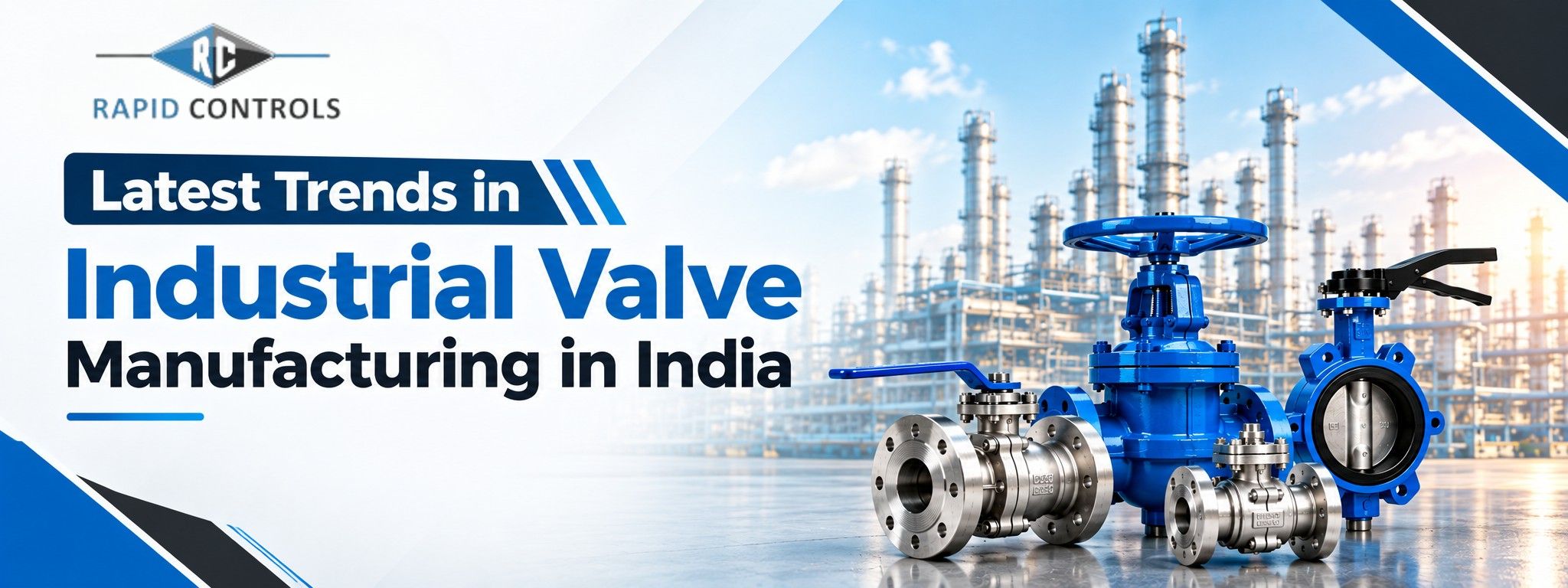
4. Common Industrial Valves Used in Water Treatment Plants
A. Ball Valves
- Used for quick shut-off
- Excellent sealing performance
- Suitable for clean water and treated water
Best for: Isolation and on/off control
B. Butterfly Valves
- Lightweight and compact
- Cost-effective for large pipe sizes
- Easy to operate
Best for: Flow control and isolation in large pipelines
C. Gate Valves
- Full bore flow
- Minimal pressure drop
- Not suitable for throttling
Best for: Main water lines and isolation points
D. Check Valves
- Prevent reverse flow
- Protect pumps and pipelines
Best for: Pump outlets and backflow prevention
E. Control Valves
- Precise flow regulation
- Used with actuators and controllers
Best for: Automated flow and pressure control
5. Choosing the Right Valve Material
Material selection is critical in water treatment plants.
A. Cast Iron / Ductile Iron
- Widely used in municipal water systems
- High strength and durability
- Cost-effective for large pipelines
B. Stainless Steel (SS304 / SS316)
- Excellent corrosion resistance
- Hygienic and long-lasting
Best for:
- Drinking water
- Chemical dosing lines
- RO and filtration systems
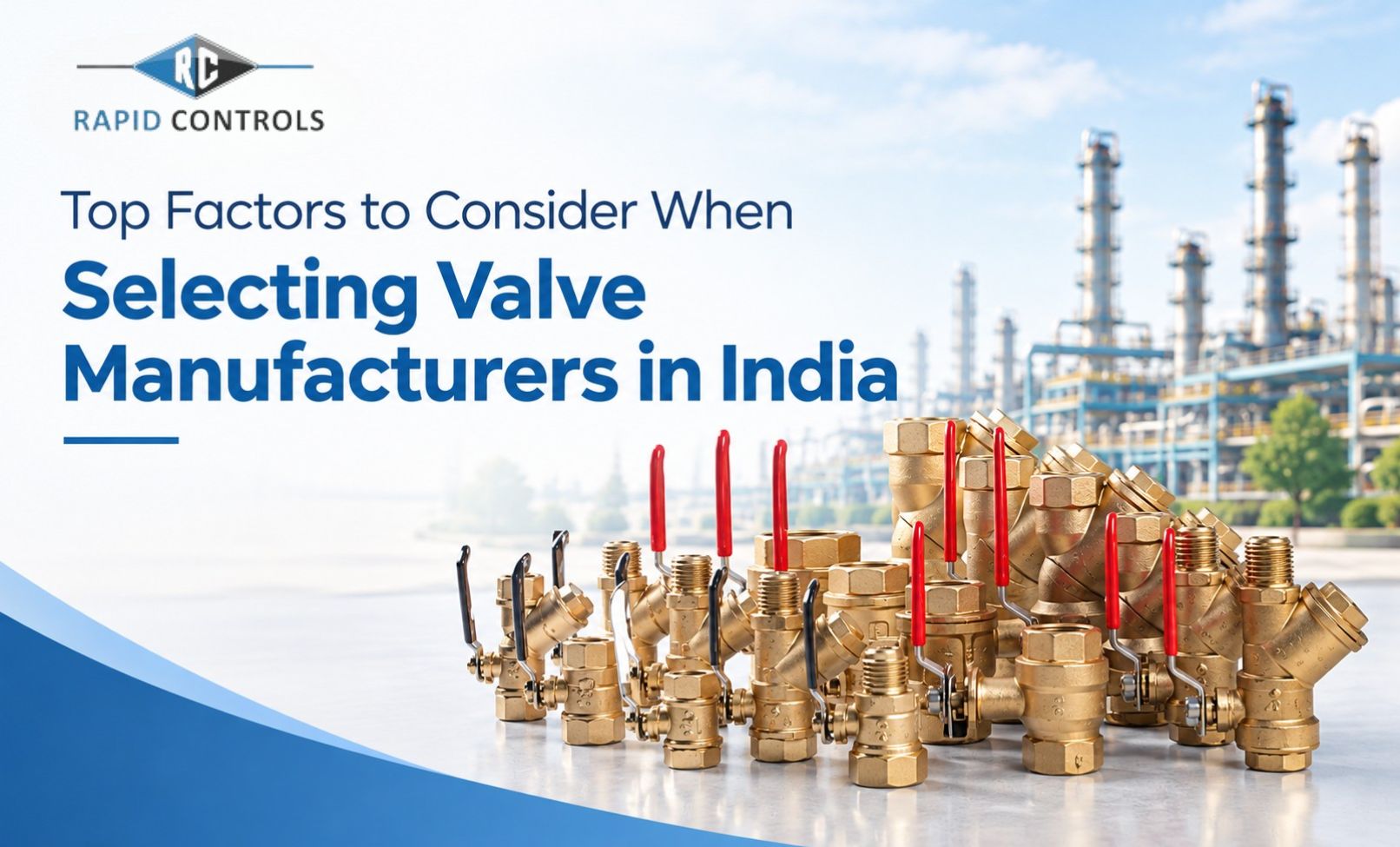
C. Brass Valves
- Suitable for clean water
- Common in small pipelines and auxiliary systems
D. PVC / UPVC Valves
- Lightweight and corrosion-resistant
- Limited pressure and temperature handling
Best for:
- Chemical dosing
- RO plants
- Low-pressure water lines
RC manufactures and supplies valves in multiple materials to suit different water treatment applications.
6. Pressure & Temperature Considerations
Always select valves rated above your system’s operating limits.
Pressure Ratings
- PN10 / PN16 – Gravity and low-pressure systems
- PN25 / PN40 – Pumped and pressurized pipelines
Temperature
- Cold water systems
- Warm or process water
Incorrect pressure or temperature ratings can cause valve failure and leakage.
7. Flow Control v/s Isolation Valves
Isolation Valves
- Ball valves
- Gate valves
- Butterfly valves
Used to start or stop flow completely.
Flow Control Valves
- Control valves
- Balancing valves
Used where flow rate and pressure need regulation.
Selecting the wrong type may reduce efficiency or damage the valve.
8. Manual v/s Automated Valves
Manual Valves
- Lower cost
- Simple operation
- Suitable for infrequent use
Automated Valves
- Electric or pneumatic actuators
- Remote and precise control
- Ideal for large plants and SCADA systems
Rapid Controls offers valves compatible with motorized and pneumatic actuators for automation-ready water treatment facilities.
9. Valve Selection for Different Stages of Water Treatment
Raw Water Intake
- Gate valves
- Butterfly valves
- Check valves
Filtration & Clarification
- Ball valves
- Butterfly valves
- Control valves
Chemical Dosing
- SS or UPVC ball valves
- Control valves
Storage Tanks
- Isolation valves
- Float and level control valves
Distribution Systems
- Butterfly valves
- Gate valves
- Pressure-reducing valves
Each stage requires valves with specific performance characteristics.
10. Why Choose RC for Water Treatment Valves
RC provides industrial valve solutions designed to meet the demanding requirements of water treatment plants.
RC Advantages
Wide range of industrial valves
Suitable for clean water, wastewater, and RO systems
High-quality materials and precision machining
Automation-ready valve designs
Reliable performance in continuous operation
Trusted by engineers and contractors
RC valves are used across municipal, industrial, and commercial water treatment projects.
11. Maintenance & Longevity Considerations
To extend valve life:
- Operate valves periodically
- Avoid excessive throttling on isolation valves
- Inspect seals and gaskets regularly
- Use corrosion-resistant materials
- Follow proper installation practices
Selecting high-quality valves from trusted manufacturers like RC significantly reduces maintenance requirements.
12. Final Thoughts
Choosing the right industrial valve for a water treatment plant is not a one-size-fits-all decision. It requires a clear understanding of water quality, pressure, flow, material compatibility, and operational needs. The right valve improves system efficiency, ensures safety, and reduces long-term costs.
With a wide portfolio of reliable and application-specific solutions, RC supports water treatment plants with valves designed for durability, performance, and operational confidence.