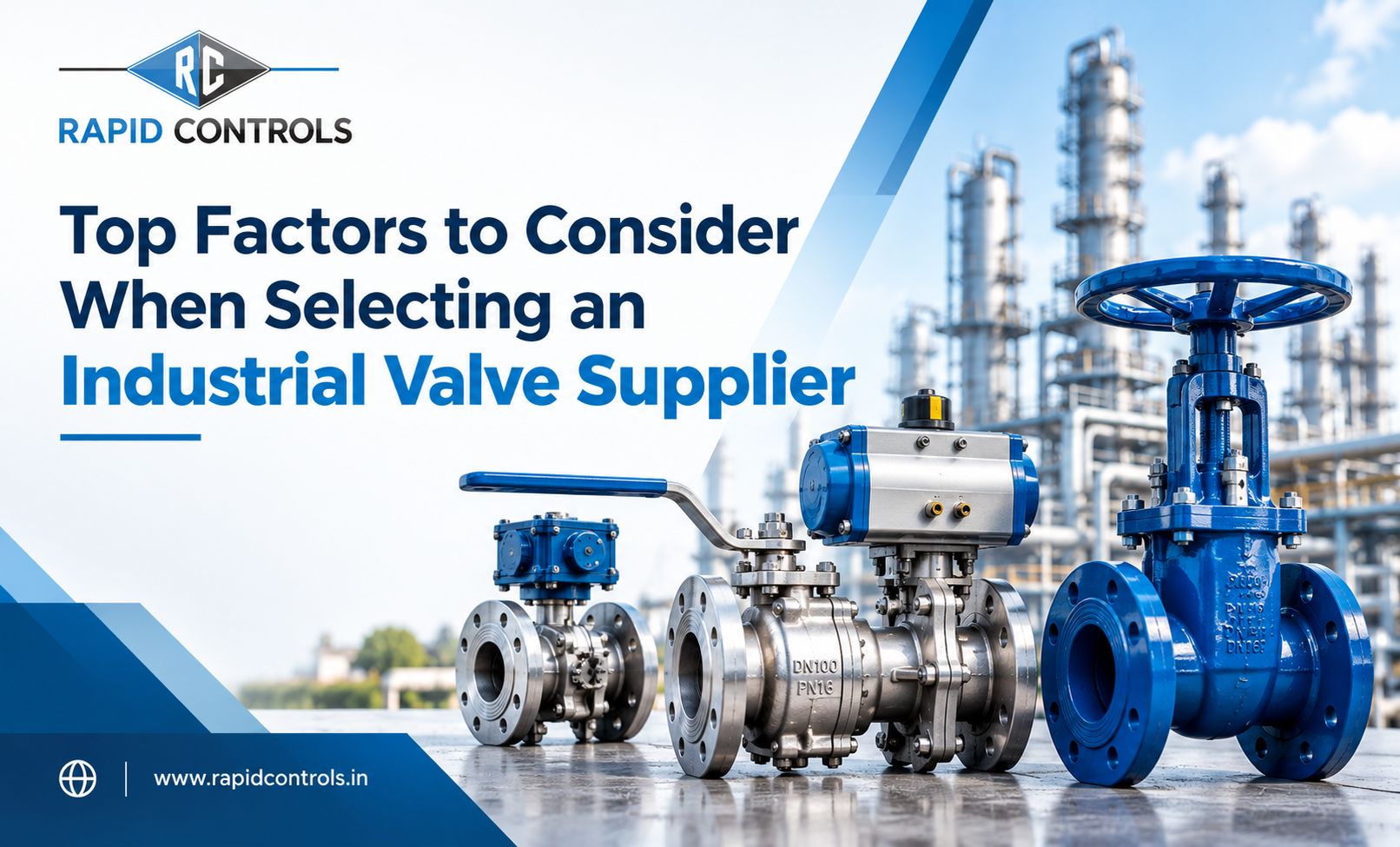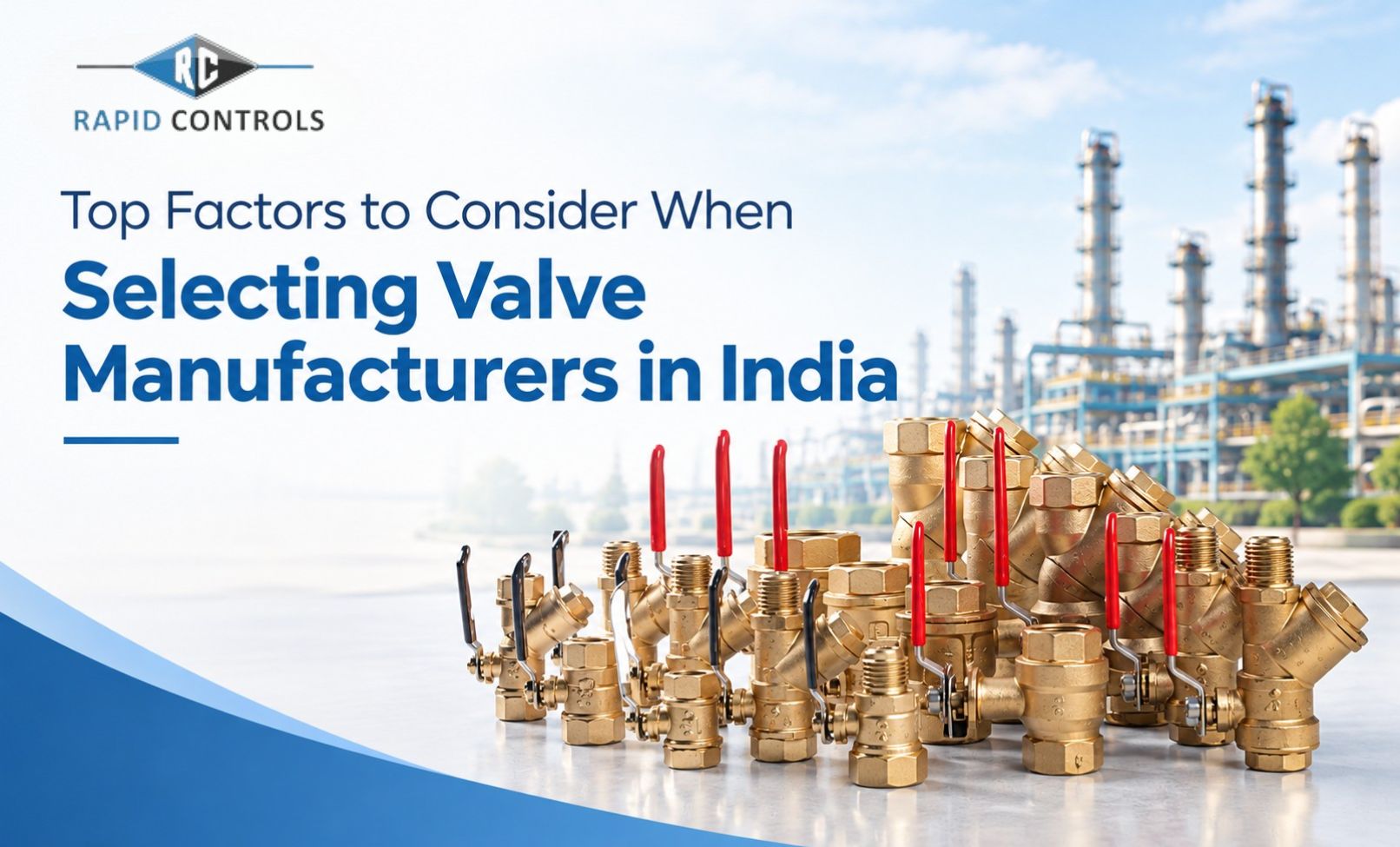
A valve that fails in the field rarely fails quietly. It can stop a production line, spoil a batch, or put workers at risk, and the replacement part is usually the smallest part of the bill. That is why choosing the supplier matters as much as choosing the valve. India has hundreds of industrial valve manufacturers, from large plants in Coimbatore, Ahmedabad, and Vadodara to small workshops, and they don’t all work to the same standard. If you are comparing valve manufacturers in india, the factors below will help you separate the dependable ones from the rest.
1. Certifications and Standards Compliance
Start with the paperwork. ISO 9001 shows that a company follows a documented quality system. Then look for approvals that match your application: API 6D or API 600 for oil and gas, CE/PED for European markets, and IBR approval for steam service in India. Any industrial valve manufacturer worth considering will share current copies without fuss. Also confirm the certificate covers the product line you are buying, since approvals often apply to one plant or one valve type only.
2. Materials and Traceability
The body and trim material decide how long a valve lasts in your process. Carbon steel, stainless steel 304 and 316, duplex, bronze, and cast iron each suit different fluids, temperatures, and pressures. A mismatch with a corrosive medium can ruin a valve within months. If you are still working out what your process needs, this guide on key factors to consider while selecting a control valve is a useful starting point.
Ask for material test certificates with heat numbers. A serious supplier can trace every casting back to its foundry batch and show the chemical and mechanical results. If they hesitate, treat it as a warning.
3. Manufacturing Capability and In-House Testing
Where possible, visit the plant or ask for a video walkthrough. Check whether machining, assembly, and testing happen in-house or are outsourced. A valve manufacturer in India that controls these steps tends to deliver more consistent quality.
Testing matters even more. Every valve should go through hydrostatic shell and seat tests before dispatch. For critical service, ask about pneumatic, fire-safe, and fugitive emission testing. Third-party inspection by agencies such as TÜV, Bureau Veritas, or Lloyd’s adds another layer of confidence.
4. Product Range and Customization
Buying gate, globe, ball, butterfly, check, and control valves from one source simplifies ordering and keeps documentation consistent. If you are unsure which type fits your system, a plain overview of the 12 types of valves and where each is used can save time, and the butterfly valve vs ball valve comparison covers the choice buyers face most often.
Range alone is not enough, though. Some projects need special sizes, unusual end connections, or accessories such as a butterfly valve with tamper switch for firefighting and HVAC lines. Ask whether the company has an engineering team that can adapt a design, and how long a custom order usually takes.
5. Manufacturer or Trader?
Not every company offering valves makes them. Many industrial valve suppliers in India are traders who source from several factories. That can work for standard items and quick replacements, but you get less control over quality and less accountability when something goes wrong. For critical applications, buying directly from the manufacturer usually means better traceability, faster technical answers, and a single party responsible for the product. Ask plainly who casts, machines, and tests the valves you are buying.
6. Industry Experience and References
Years in business tell you something, but relevant experience tells you more. A company that supplies water treatment plants may not suit high-pressure steam or chemical processing. Ask for a list of customers in your industry and call a few of them. Find out whether the valves performed as promised, whether deliveries were on time, and how problems were handled.
7. After-Sales Support and Spare Parts
Valves need maintenance, and a good supplier stays involved after the sale. Check for installation guidance, commissioning support, and a clear warranty. Find out if spare parts such as seats, seals, and stems are stocked and how fast they can be shipped. A cheap valve becomes expensive when a plant sits idle waiting for a gasket.
8. Delivery Timelines and Capacity
Missed delivery dates can hold up an entire project. Ask for realistic lead times on standard and custom orders, and find out how many units the factory can produce each month. Among valve suppliers in India, the reliable ones are open about their schedules and tell you early if something changes.
9. Pricing and Total Cost
The lowest quote is not always the cheapest option. Compare prices alongside material grades, testing scope, warranty terms, and expected service life. A valve that costs 15 percent more but lasts twice as long is the better buy. Ask for itemized quotations, and be careful with quotes far below the others, since the savings often come from thinner walls, lower-grade materials, or skipped tests.
Making the Final Decision
Build a simple checklist from the points above and score each shortlisted company. Request samples or a trial order before committing to a large purchase. Pay attention to how they respond during quoting. Clear answers, prompt replies, and willingness to share documents usually reflect how they will behave once the order is placed.
Conclusion
Picking a valve supplier is a long-term decision that affects safety, uptime, and maintenance costs. Certifications, material traceability, testing, experience, support, delivery, and total cost should all carry weight, and no single factor should decide it alone. At Rapid Controls, we have been manufacturing valves since 1973 for HVAC, firefighting, oil and gas, and pharma applications, and we hold ourselves to the standards described above. If you are shortlisting valve manufacturers in india, use the checklist, ask hard questions, and choose the partner who can answer them with evidence. Contact Rapid Controls to discuss your requirements and get a quotation.
Frequently Asked Questions
1. How do I choose the right valve manufacturer in India?
Start with certifications such as ISO 9001, API, and CE/PED, then check material traceability, in-house testing, and experience in your industry. Ask for customer references and compare itemized quotations rather than only the final price.
2. What is the difference between a valve manufacturer and a valve supplier?
A manufacturer casts, machines, assembles, and tests the valves itself. Many valve suppliers in India are traders who source from other factories. Buying directly from a manufacturer usually gives you better traceability, quicker technical answers, and one party accountable for quality.
3. Which certifications should industrial valve manufacturers in India have?
ISO 9001 is the baseline. Depending on your application, you may also need API 6D or API 600 for oil and gas, CE/PED for exports to Europe, and IBR approval for steam service. Always confirm that the certificate covers the specific product you are buying.
4. How can I check the quality of a valve before buying?
Ask for material test certificates with heat numbers and hydrostatic test reports. For critical service, request third-party inspection and consider ordering a sample or trial batch before placing a large order.
5. Which valve type is better, a ball valve or a butterfly valve?
It depends on the job. Ball valves suit tight shut-off and on/off control, while butterfly valves are lighter, cost less, and work well in large-diameter lines and throttling. Our butterfly valve vs ball valve guide explains the differences in detail.