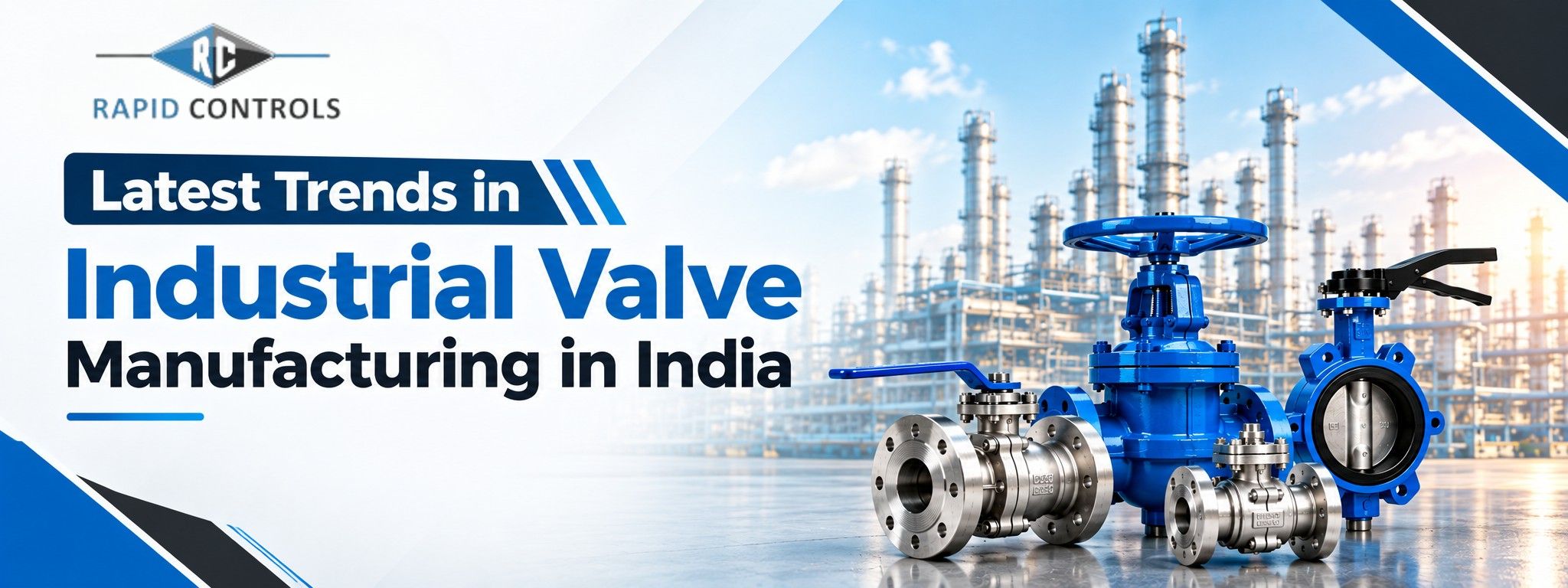
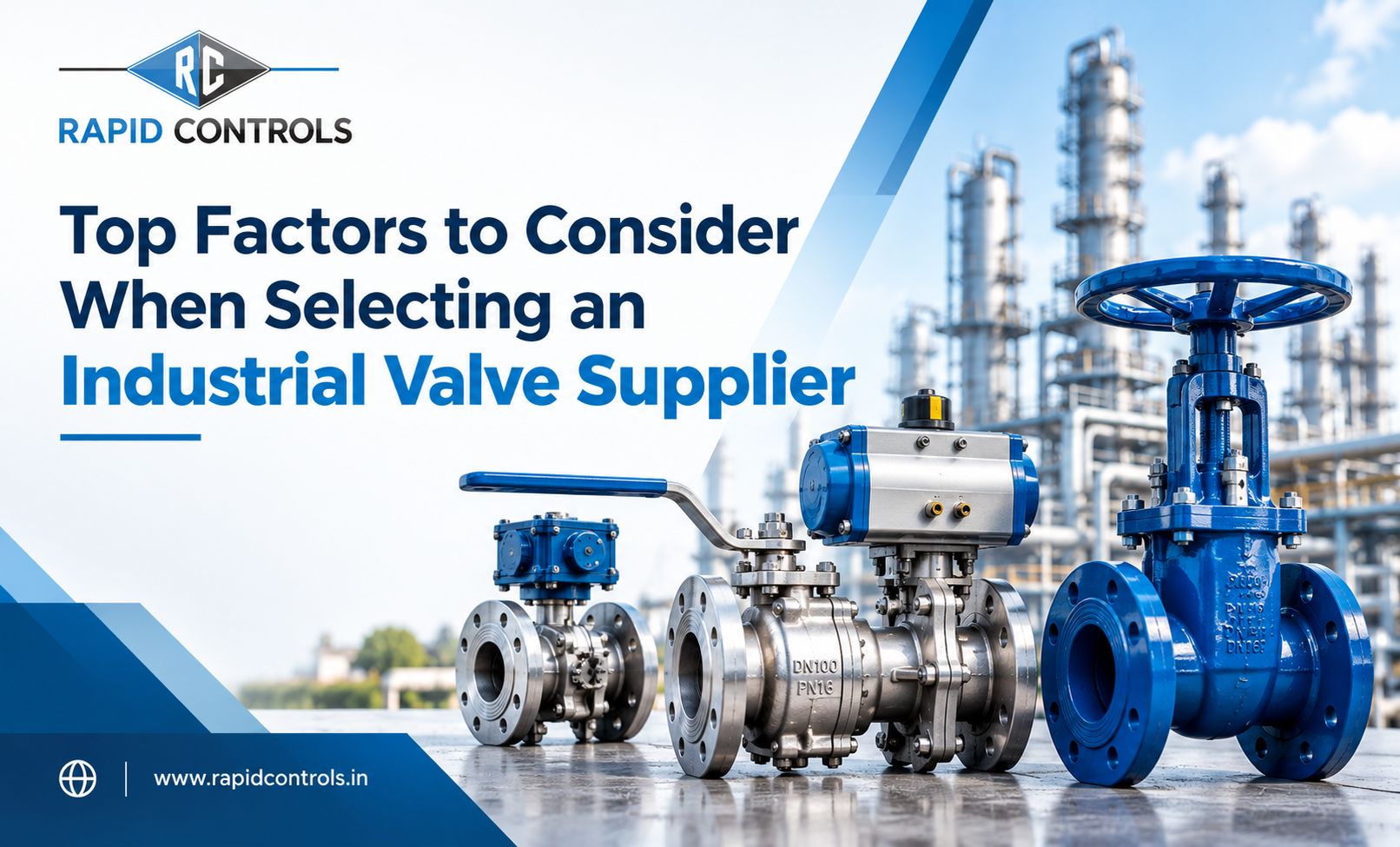
When it comes to handling extreme heat in process systems, not every valve can perform well. High-temperature applications demand durability, precision, and safety. That’s where ball valves stand out. Designed to control the flow of liquids, gases, and steam under challenging conditions, ball valves are one of the most trusted solutions in industries like chemical processing, oil & gas, power plants, and manufacturing.
In this blog, we will explore what makes ball valves suitable for high-temperature applications, the best materials to look for, and why they are the preferred choice for long-lasting performance.
Why Ball Valves Are Ideal for High-Temperature Applications
Ball valves are built with a simple yet effective design: a rotating ball with a hole that controls the flow. This design ensures quick shut-off, minimal leakage, and reliable performance, even under high heat. Some reasons they are preferred include:
- Excellent sealing: Even at elevated temperatures, they provide tight shut-off.
- High durability: They can withstand thermal stress without losing shape.
- Low maintenance: Fewer moving parts make them easier to maintain.
- Versatility: Suitable for steam, hot oil, chemicals, and gas flow control.
Best Materials for High-Temperature Ball Valves
The material of the valve plays a critical role in performance. Here are some of the most reliable options:
1. Stainless Steel (SS304 & SS316)
Stainless steel ball valves is one of the most common choices for high-temperature ball valves. It resists corrosion, offers strength, and works well in applications involving chemicals and steam.
- Temperature range: Up to 400–500°C
- Applications: Refineries, chemical plants, steam lines
2. Carbon Steel
Carbon steel ball valves are known for their strength and heat resistance. They’re suitable for high-pressure and high-temperature environments.
- Temperature range: Up to 450°C
- Applications: Oil & gas, power plants
3. Alloy Steel (Inconel, Hastelloy)
For extreme conditions, alloy steels provide superior resistance to both heat and corrosion. Though costlier, they offer unmatched performance.
- Temperature range: Up to 600°C+
- Applications: Petrochemical, thermal power
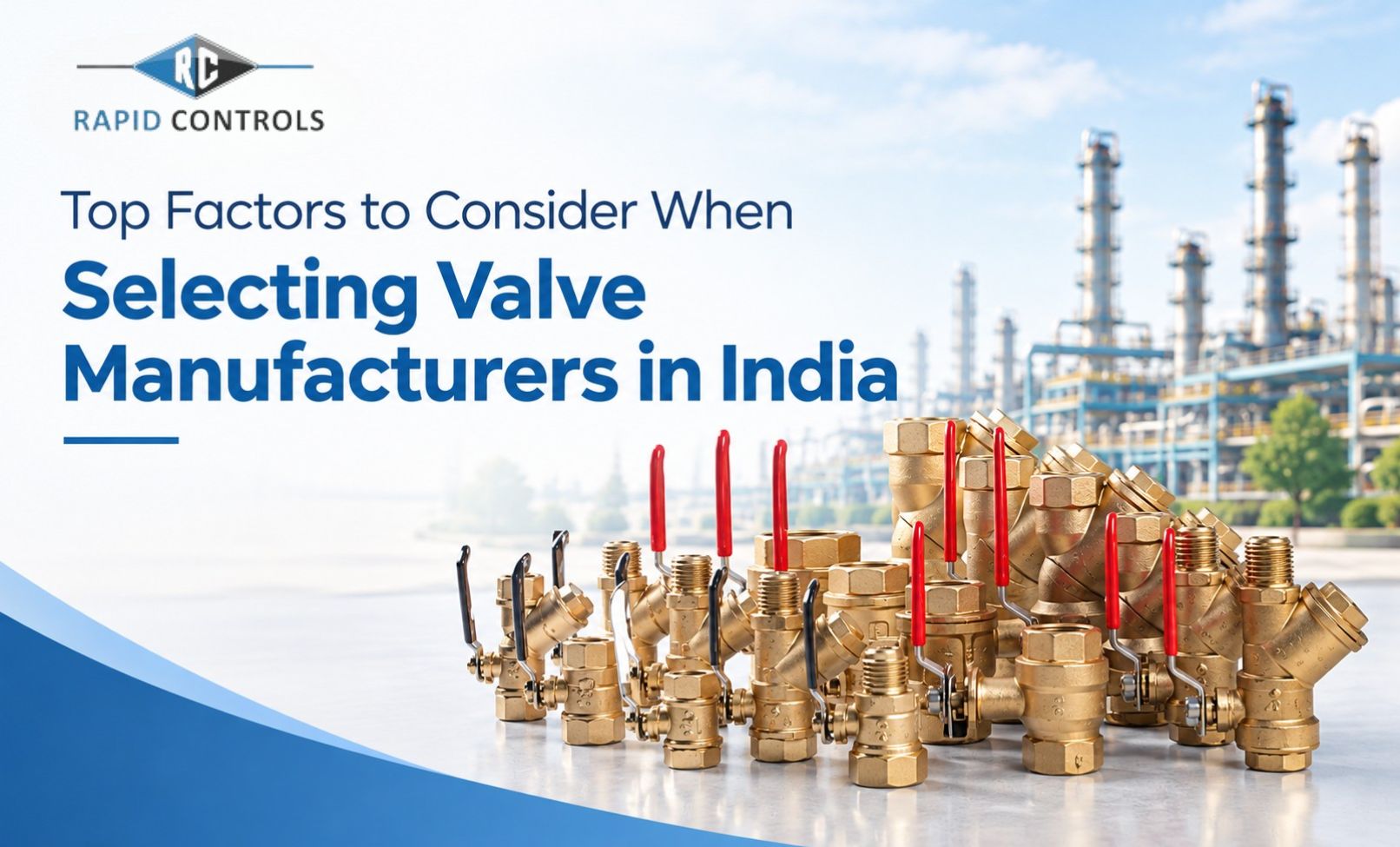
4. Brass Ball Valves (Special Coatings)
While brass ball valves is generally used in moderate conditions, coated brass ball valves can be used for specific hot-water and heating applications.
- Temperature range: Up to 200°C
- Applications: HVAC, hot water systems
Choosing the Right Ball Valve for Your Application
When selecting a ball valve for high-temperature use, consider:
- Operating temperature range
- Pressure requirements
- Fluid or gas type
- Material compatibility
- Maintenance needs
Working with an experienced valve manufacturer can help ensure the right choice for your system.
Conclusion
Ball valves are a smart investment for high-temperature applications, thanks to their durability, efficiency, and reliable sealing. Whether it’s stainless steel for chemical plants, carbon steel for oil refineries, or advanced alloy steel for extreme environments, there’s a ball valve designed to handle the job.
If you’re looking for the best ball valves for high-temperature applications, always prioritize material quality, proper design, and trusted ball valves manufacturing. The right choice will keep your operations running safely and smoothly for years.