Water treatment plants are designed to clean and supply safe water for drinking, industrial use, and irrigation. To keep these systems running effectively, valves are a critical part of the process. Among the many valve options, butterfly valves stand out as one of the most efficient and cost effective solutions for water treatment applications.
In this blog, we will explore why butterfly valves are widely used in water treatment plants, the best materials for these valves, and how they support efficient water management.
Why Butterfly Valves Are Used in Water Treatment
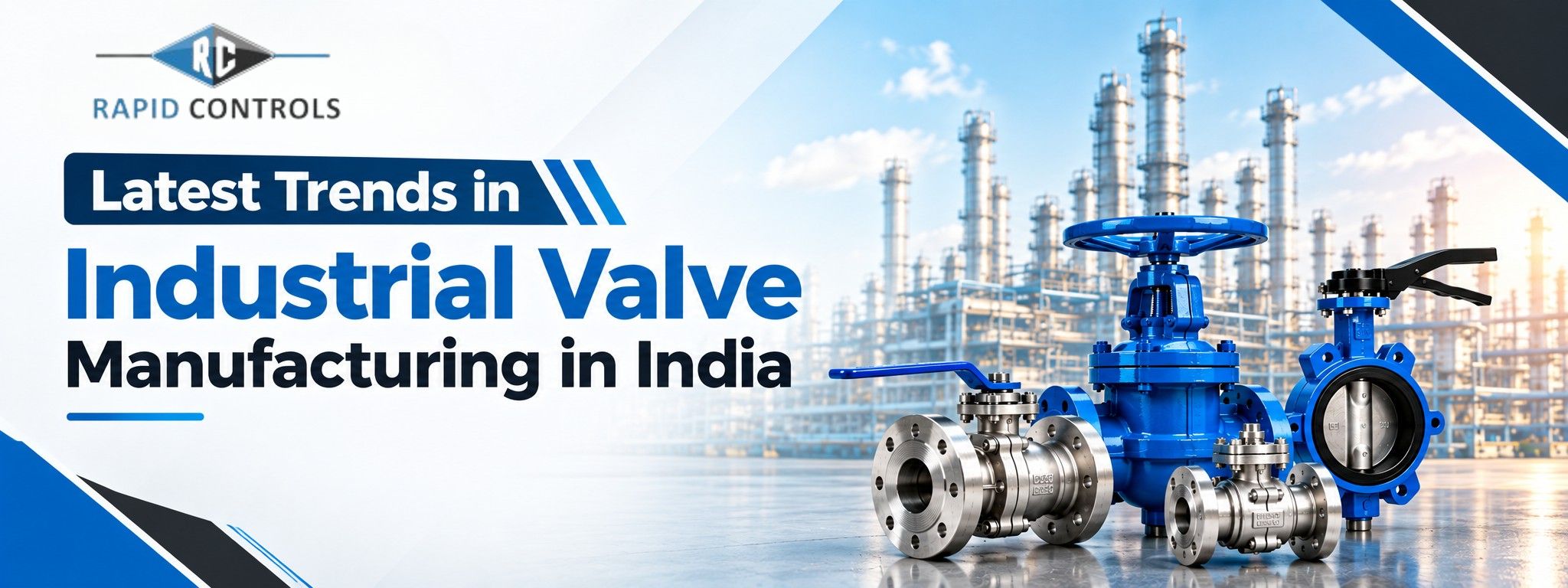
Butterfly valves control the flow of water using a rotating disc. When turned, the disc allows, restricts, or blocks flow. Their simple yet effective design makes them a preferred choice for water treatment facilities.
Key roles of butterfly valves in water treatment:
- Flow regulation – Managing the flow of raw, treated, and wastewater.
- Isolation – Quickly shutting off sections of a pipeline during maintenance.
- Space-saving control – Their compact design is ideal for large-scale plants.
- Cost efficiency – Affordable compared to other large-diameter valves.
Benefits of Butterfly Valves in Water Treatment
- Lightweight design – Easier to install and maintain in large pipelines.
- Quick operation – A simple quarter-turn fully opens or closes the valve.
- Reliable sealing – Reduces leakage, ensuring efficient water handling.
- Durability – Designed to handle both clean water and wastewater.
- Versatility – Suitable for both low and high-pressure applications.
Best Materials for Butterfly Valves in Water Treatment
The choice of material depends on the type of water and chemicals involved in the treatment process.
- Cast Iron Butterfly Valves
- Widely used in municipal water treatment.
- Strong, durable, and cost-effective.
- Ductile Iron Butterfly Valves
- Stronger than cast iron and resistant to cracking.
- Suitable for large-diameter pipelines.
- Stainless Steel Butterfly Valves
- Corrosion-resistant and durable in chemical treatment stages.
- Ideal for chlorinated water and wastewater handling.
- PVC/Plastic Butterfly Valves
- Lightweight and resistant to corrosion.
Suitable for smaller systems and non-corrosive water.
Choosing the Right Butterfly Valve
When selecting a butterfly valve for water treatment, consider:
- Pipeline size and pressure rating
- Water type (raw, treated, or wastewater)
- Corrosion resistance needed
- Operation method (manual, electric, or pneumatic actuators)
Conclusion
Butterfly valves are a trusted solution for water treatment applications because they combine reliability, cost effectiveness, and durability. Whether it’s cast iron for municipal systems, stainless steel for chemical resistance, or PVC for lightweight applications, there’s a butterfly valve designed to meet the needs of every water treatment plant.
By choosing the right butterfly valve, facilities can ensure smooth operations, reduced downtime, and efficient water management.