In modern buildings, energy efficiency is more important than ever. From reducing operational costs to supporting sustainability goals, every component of a heating and cooling system plays a role. One such component that often goes unnoticed but makes a big difference is the ball valve.
Ball valves are simple, durable, and highly effective in controlling the flow of hot and chilled water. But beyond basic flow control, today’s energy-efficient ball valves are designed to help heating and cooling systems perform better while using less energy.
Why Energy Efficiency Matters in Heating & Cooling Systems
Heating and cooling account for a significant portion of energy consumption in residential, commercial, and industrial buildings. Poor flow control or leaky valves can lead to:
- Higher energy bills
- Reduced system performance
- Increased wear on pumps and equipment
- Loss of comfort and temperature stability
By using energy-efficient ball valves, building owners and operators can ensure smooth operation while minimizing energy waste.
How Ball Valves Improve Energy Efficiency
Ball valves are designed with features that directly contribute to energy savings:
- Tight shut-off – Prevents leaks and unnecessary circulation of hot or chilled water.
- Full-bore design – Ensures minimal pressure drop, reducing pump workload.
- Quick operation – A simple quarter-turn helps optimize flow without delay.
Durable sealing materials – Maintains efficiency over long periods of operation.
Best Types of Energy-Efficient Ball Valves
- Pre-Insulated Ball Valves
- Prevent energy loss in chilled water lines by reducing condensation.
- Keep system temperatures stable, saving on energy costs.
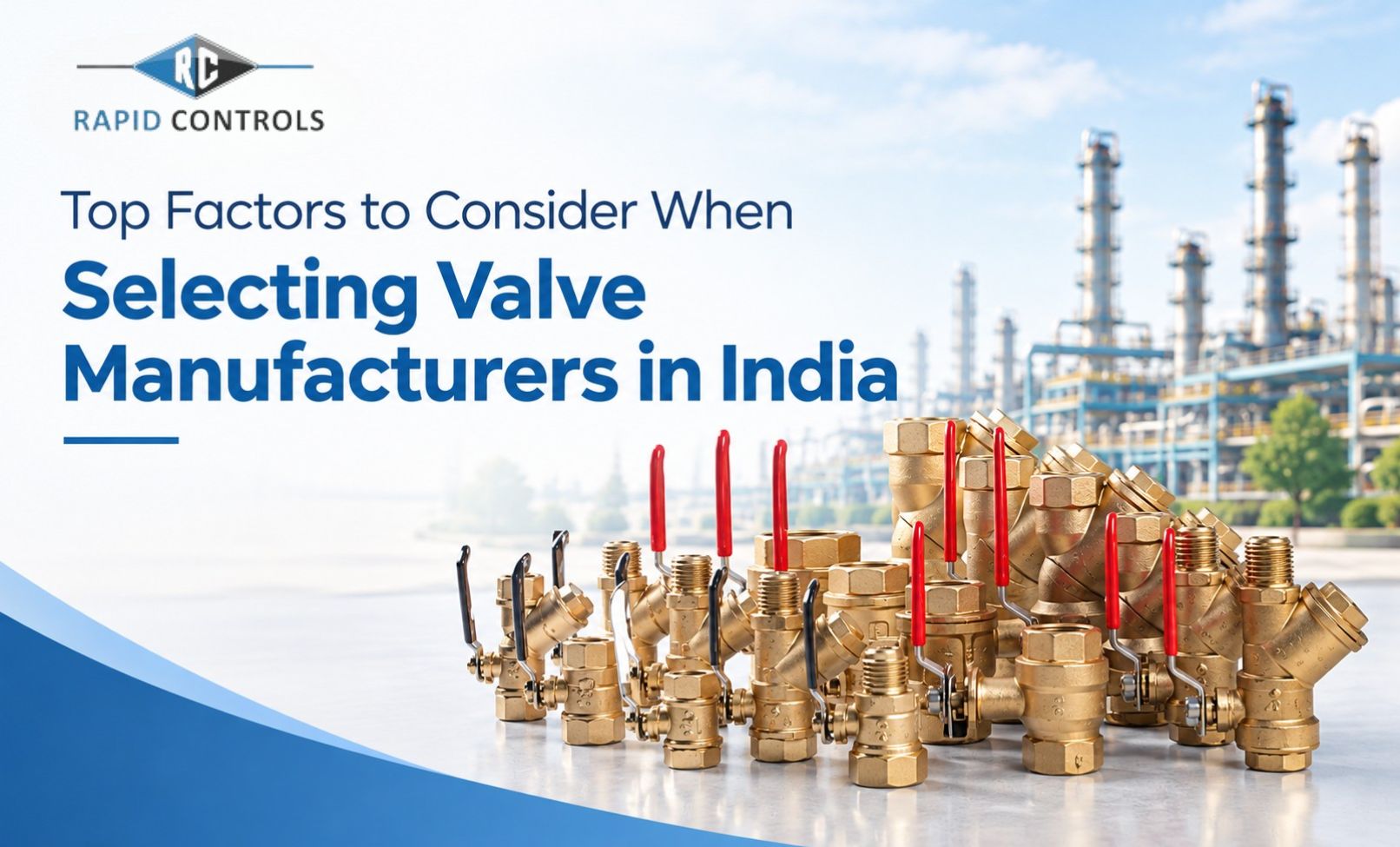
- Brass Ball Valves
- Commonly used in heating and cooling systems.
- Strong, reliable, and resistant to scaling.
- Stainless Steel Ball Valves
- Excellent for long-term performance and resistance to corrosion.
- Suitable for high-pressure or high-temperature applications.
- Automated Ball Valves
- Integrated with actuators for smart building management.
Allow precise control, scheduling, and optimization of water flow.
Benefits of Energy-Efficient Ball Valves
- Lower energy costs – Reduced pump and system load.
- Improved comfort – Better temperature control in HVAC systems.
- Sustainability – Supports eco-friendly building operations.
- Reduced maintenance – Reliable performance with fewer breakdowns.
Long service life – Durable materials designed for repeated use
Conclusion
Ball valves may seem like small components, but they play a big role in energy efficiency for heating and cooling systems. Whether it’s preventing energy loss in chilled water lines, ensuring reliable shut-off in heating systems, or integrating with smart building controls, energy-efficient ball valves help save costs and improve performance.
For modern buildings aiming to balance comfort, efficiency, and sustainability, ball valves are an essential investment