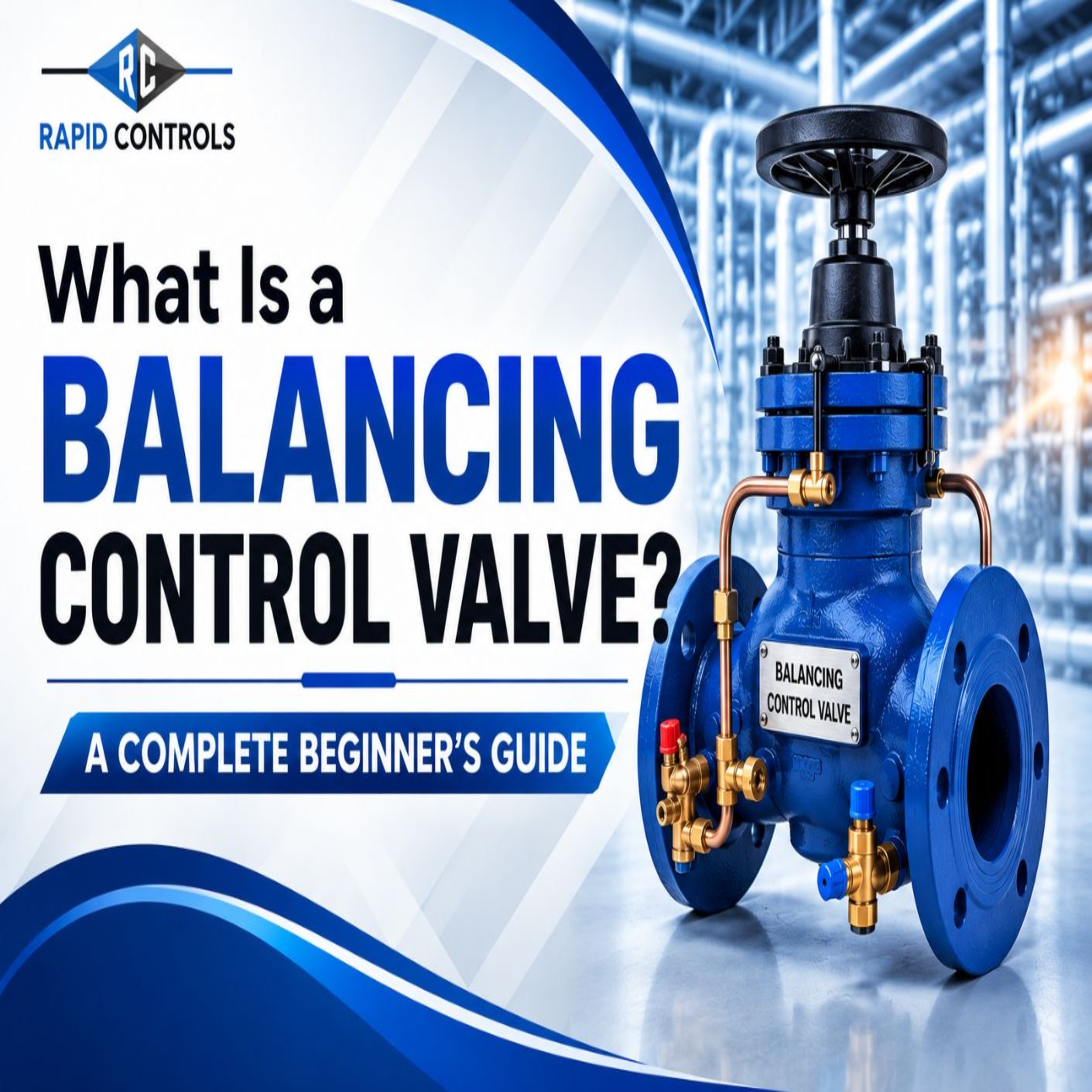
What Is A Pressure Reducing Valve?
A pressure reducing valve (PRV) is a type of control valve designed to reduce the input pressure of a fluid (gas or liquid) to a desired value at its output. Prvs are essential components in plumbing systems, water supply lines, HVAC systems, steam systems, and industrial pipelines. They help maintain consistent pressure, reduce energy consumption, and protect downstream equipment from damage due to high pressure.
How Does A Pressure Reducing Valve Work?
The working principle of a pressure reducing valve is based on balancing the downstream pressure against a pre-set spring tension. Here’s how it works:
- High-pressure fluid enters the valve.
- A diaphragm or piston senses the outlet pressure.
- When the outlet pressure drops below the set value, the valve opens wider to allow more flow.
- When the outlet pressure exceeds the desired setting, the valve restricts the flow.
This self-regulating mechanism ensures the downstream pressure stays constant, regardless of upstream fluctuations.
Applications Of Pressure Reducing Valves
Pressure reducing valves are widely used in:
- Municipal water supply systems
- Boiler and steam systems
- Irrigation systems
- Compressed air systems
- Industrial gas pipelines
- Residential plumbing
Their role is not just to reduce pressure but also to ensure system longevity, minimize leakage risk, and improve energy efficiency.
Benefits Of Using Pressure Reducing Valves
- Energy Savings: lower pressure reduces pump load and energy costs.
- Equipment Protection: prevents damage to pipes, fittings, and appliances.
- Water Conservation: reduces unnecessary water flow.
- Noise Reduction: eliminates water hammer and flow-induced vibrations.
- System Efficiency: maintains optimal working conditions.
Types Of Pressure Reducing Valves
- Direct acting PRVs: simple, compact, and cost-effective. Ideal for small flow applications.
- Pilot-operated PRVs: more precise and used in systems with large flow requirements or where pressure needs to be finely tuned.
Installation Tips For Pressure Reducing Valves
- Always install with the arrow facing the direction of flow.
- Use strainers to avoid debris damage.
- Install pressure gauges before and after the valve to monitor performance.
- Allow easy access for maintenance and adjustments.
Common Problems And Troubleshooting
- Water Hammer: may indicate incorrect sizing.
- Leakage: caused by worn-out seals or debris.
- Inaccurate Pressure Regulation: could be due to clogged filters or spring malfunction.
Routine inspection and cleaning are key to long-term performance.
Final Thoughts
A pressure reducing valve is a small but critical component in fluid systems. Whether you’re designing a plumbing system for a home or managing a complex industrial pipeline, using the correct prv ensures safety, efficiency, and cost savings.
Explore our full range of control valves by visiting www.rapidcontrols.in or contact our sales team for specifications, datasheets, or catalogue support.