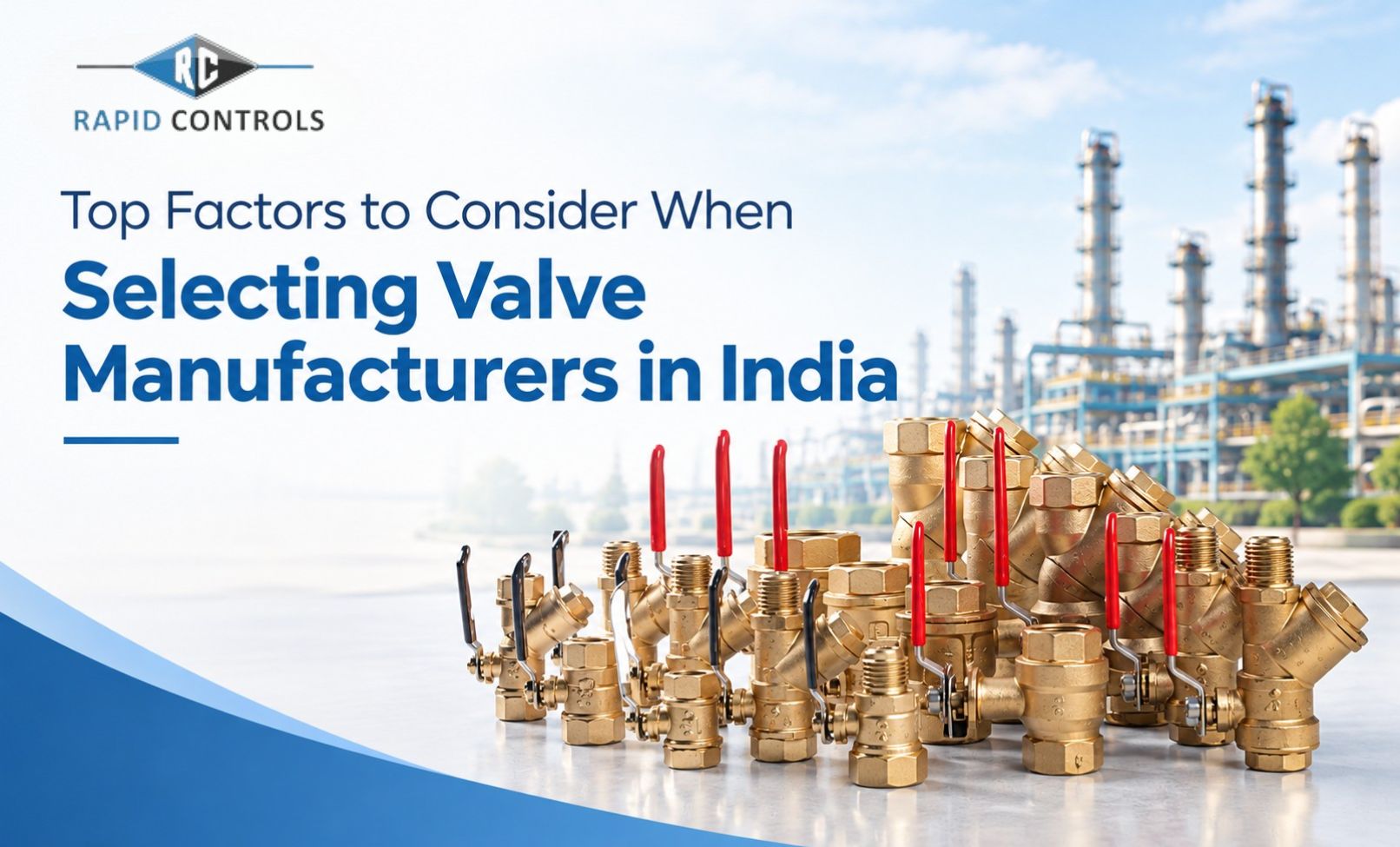
A y strainer valve, commonly referred to as a y type strainer, is an essential component in pipelines used to filter out unwanted debris such as rust, dirt, or other solid particles from flowing fluids (liquids or gases). This helps protect downstream equipment such as pumps, valves, compressors, and meters from damage and blockages, thereby improving overall system efficiency.
In this blog, we will cover the basics of the y strainer valve, explore different types of strainer, understand how to install a y strainer, and provide guidance on how to clean the strainer filter.
What Is A Y Strainer Valve?
A y type strainer is named after its y-shaped design. It features a mesh or perforated screen inside a branch of the strainer body, which traps foreign particles flowing through the pipeline. These strainers are used in horizontal or vertical pipelines and are typically installed upstream of sensitive equipment.
Key Features Of Y Strainer:
- Y-shaped body: allows compact installation.
- Mesh screen: traps solid contaminants.
- Drain plug or blow-off valve: enables easy cleaning.
- Wide pressure & temperature range: suitable for steam, gas, oil, water, and chemical applications.
Types Of Strainer
Understanding the types of strainer used in pipelines is essential for selecting the right one for your application. Here are the most commonly used types:
1. Y type strainer
- Best suited for applications where debris levels are relatively low.
- Used in horizontal or vertical pipelines.
- Compact and suitable for high-pressure systems.
2. T type strainer (tee strainer)
- Designed for larger pipe diameters.
- Offers higher dirt-holding capacity.
- Better suited for batch processing or when maintenance access is easier.
3. Basket type strainer
- Offers a large filtration area.
- Ideal for systems with high dirt loads.
- Used in low-pressure pipelines and requires more space.
How To Install Y Strainer
Proper installation is crucial for the effective operation of any y strainer valve. Here’s a step-by-step guide on how to install y strainer in a pipeline:
Step 1: Choose The Right Orientation
- In horizontal pipelines, the screen leg of the y strainer must point downward to trap debris and allow for easy cleaning.
- In vertical pipelines, flow must be downward to ensure gravity helps debris settle in the screen pocket.
Step 2: Check Flow Direction
Most y strainers have an arrow on the body indicating the flow direction. Make sure it matches the direction of fluid flow in your pipeline.
Step 3: Install With Proper Gaskets
Use suitable gaskets and sealing materials for flange connections or threaded ends to prevent leaks.
Step 4: Allow Access For Maintenance
Ensure enough space is left around the y strainer for cleaning and screen removal.
How To Clean Strainer Filter
Over time, the mesh screen inside the y strainer can become clogged with debris, which reduces flow and increases pressure drop. Here’s how to clean the strainer filter properly:
Method 1: Manual Cleaning
- Shut off the pipeline and relieve pressure.
- Remove the strainer cap or screen plug.
- Take out the filter screen using a suitable tool.
- Clean the screen using water, compressed air, or a soft brush.
- Inspect the screen for damage and replace if necessary.
- Reassemble and restart the system carefully.
Method 2: Blow-Off Cleaning (If Equipped)
- Some y strainers come with a blow-off valve at the bottom.
- Open the valve while the system is under slight pressure to flush out debris without disassembling the strainer.
Materials Used In Y Strainer Valve
The material of construction plays a vital role in the performance and durability of the y strainer valve. Material selection depends on the fluid type, temperature, pressure, and corrosiveness.
Common Y Strainer Materials:
| Material | Application Suitability |
|---|---|
| Cast Iron | Low-pressure water, HVAC, general industrial use |
| Ductile Iron | Water and wastewater systems with moderate pressure |
| Carbon Steel | High-pressure steam, oil & gas, and chemical processing |
| Stainless Steel (SS304, SS316) | Corrosive fluids, food-grade systems, pharmaceuticals |
| Bronze/Brass | Marine, HVAC, potable water, and low-pressure pipelines |
| PVC/Plastic | Chemical dosing, water treatment, non-metallic systems |
For aggressive environments or chemical applications, stainless steel y strainers are preferred for their corrosion resistance and strength.
Applications Of Y Strainer Valve
Y strainers are used in various sectors, including:
- Chemical and petrochemical processing
- Water treatment plants
- Steam systems
- Pharmaceutical pipelines
- HVAC systems
- Food and beverage industries
Maintenance Tips For Y Type Strainer
- Regularly check pressure drop across the strainer; a sudden increase may indicate a clogged screen.
- Maintain a scheduled cleaning routine to avoid damage to downstream equipment.
- Use stainless steel or corrosion-resistant screens for aggressive fluids.
- Always isolate the system before maintenance.
Conclusion
A Y type strainer plays a crucial role in safeguarding your pipeline system from particulate damage. Understanding the types of valves, correct installation, and timely cleaning of the strainer filter helps improve system longevity and efficiency. Whether you are working with water, steam, oil, or chemicals, selecting the right y strainer valve and maintaining it well is essential.
For premium-quality y strainer valves, always choose a reliable manufacturer or supplier who understands your application needs.