The ball valves for oil and gas industry is one of the most demanding sectors in terms of safety, precision, and durability. Whether it’s for upstream exploration, midstream transport, or downstream refining, valve performance is non-negotiable. Among all valve types, ball valves remain a preferred choice due to their reliable shut-off, quick operation, and minimal maintenance.
In this blog, we’ll explore the best ball valves for different stages of the oil and gas process, focusing on material types like:
SS304 ball valves
Brass ball valves
Pre-insulated ball valves
Brass ball valves (ECO Series)
Each has its own place in the complex and highly regulated oil and gas environment. We’ll also offer practical recommendations for their use in specific conditions such as high pressure, temperature extremes, abrasive crude oil, and chemical-laden refining streams.
Why Ball Valves Are Crucial In Oil And Gas Operations
Ball valves are preferred in oil and gas facilities because they offer:
- Quick 1/4-turn shut-off
- Tight sealing with minimal leakage
- Durability under pressure and harsh chemicals
- Versatility for both manual and automated systems
- Long life cycle with low maintenance
From wellheads to storage terminals, ball valves are present across all flow control systems.
Valve Requirements In The Oil & Gas Sector
Due to the nature of the fluids and the risk factors involved, oil and gas ball valves must meet the following criteria:
- Resistance to corrosive chemicals, h₂s, co₂, and saltwater
- Capability to handle high-pressure and high-temperature conditions
- Leak-proof sealing to prevent fire hazards and environmental spills
- Compatibility with flammable gases, volatile liquids, and abrasive slurries
- Compliance with api, iso, and other international standards (as needed)
Let’s now break down your product offerings and match them to the right applications.
1. SS304 Ball Valves – Ideal For High Corrosion And Pressure Zones
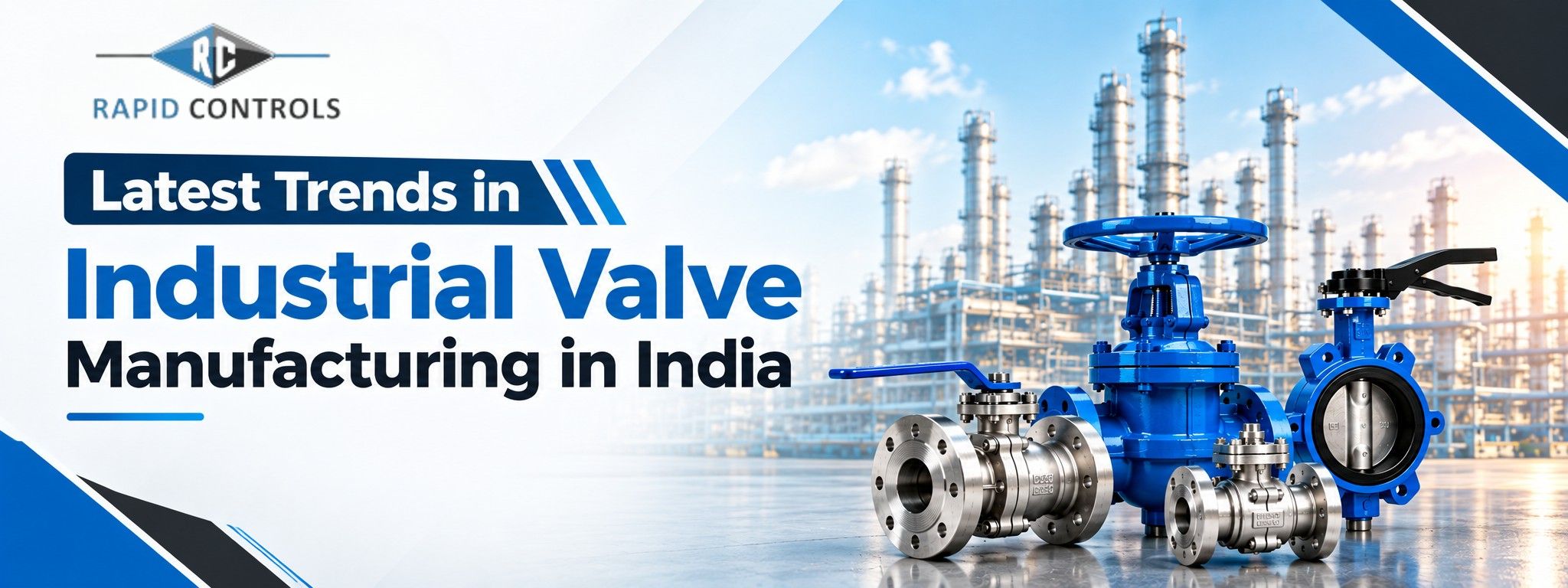
Stainless steel 304 (SS304) ball valves are particularly suitable for:
- Upstream operations with saltwater injection
- Natural gas pipelines
- Oil separators and hydrocarbon processing
- Storage tanks handling corrosive or mixed-phase fluids
Key features:
- High resistance to co₂, h₂s, and brine
- Suitable for non-sour service
- Withstands pressures up to 1000 PSI or more, depending on design
- Compatible with both liquid hydrocarbons and gas service
- Longlife in outdoor or marine environments
Recommended applications:
- Wellhead systems
- Crude oil separators
- Pumping stations
- Offshore platforms
- Loading/unloading bays
2. FCU Ball Valves – For Non-critical And Utility Applications
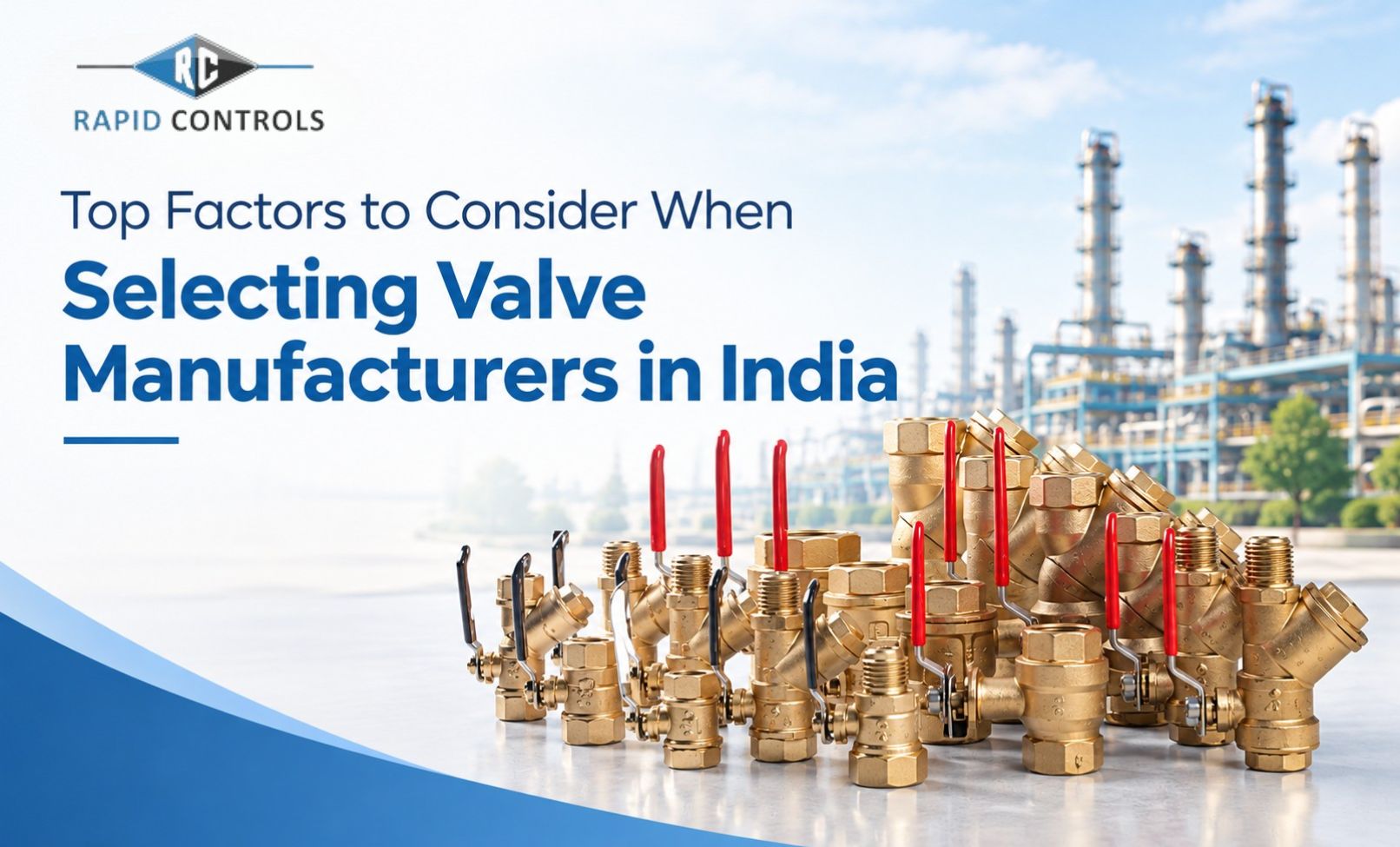
While brass is not suitable for corrosive or high-pressure hydrocarbon streams, it is highly effective for non-critical operations such as:
- Pneumatic systems
- Cooling water circuits
- Utility lines
- Instrument air lines
- Fuel transfer lines (diesel, light oils)
Key features:
- Cost-effective
- Easy to install and replace
- Lightweight for compact areas
- Sufficient for low-pressure service
Recommended applications:
- skid-mounted equipment
- onshore utility blocks
- lube oil systems (non-acidic oils)
- calibration lines in metering stations
Caution: avoid using brass valves where there’s exposure to sour gas, aromatics, or chlorinated hydrocarbons.
3. Pre-insulated Ball Valves – For Thermal Efficiency And Freeze Protection
Temperature management is crucial in the oil and gas sector, particularly in:
- Cold climate field operations
- Cryogenic gas pipelines
- Hot oil circulation systems
- Steam injection for enhanced oil recovery
Pre-insulated ball valves offer a major advantage in maintaining media temperature while protecting valve integrity.
Key features:
- Integrated insulation jacket to prevent heat loss
- Protects against freezing, condensation, or burn risks
- Suitable for outdoor and above-ground installations
- Prevents buildup of paraffin wax in crude oil lines
Recommended applications:
- Lng regasification terminals
- Steam-assisted gravity drainage (sagd) systems
- Flow assurance systems in arctic or cold zones
- Heat trace systems
4. Brass Ball Valves (Eco Series) – For Sustainable, Low-risk Systems
The eco series is a great fit for green operations or where regulatory compliance is required for potable or environmentally safe systems. These valves are low-lead or lead-free, offering environmental safety without sacrificing functionality.
Best used in:
- Water separation systems
- Environmental monitoring skids
- Methanol/water injection
- Ethanol blending systems
- Secondary containment drain systems
Key features:
- Meets rohs, nsf, and green building codes
- Safe for non-toxic fluids
- Excellent for water-based utility systems
- Lightweight and economical
Recommended applications:
- Greenfield developments with esg compliance
- Offshore support systems
- Water injection and filtration units
- Fire water systems (non-critical)
Comparative Table: Ball Valve Suitability in Oil & Gas
| Valve Type | Pressure Rating | Corrosion Resistance | Temperature Suitability | Typical Application Area |
|---|---|---|---|---|
| SS304 Ball Valve | High | High | Up to 425°C | Crude oil lines, offshore rigs |
| Brass Ball Valve | Low–Moderate | Low–Moderate | Up to 200°C | Utility and control systems |
| Pre-Insulated Ball Valve | Depends on core | Depends on core | Excellent insulation | Steam lines, cryogenic lines |
| ECO Series Brass Valve | Low–Moderate | Moderate | Up to 200°C | Green systems, safe water handling |
Installation & Maintenance Tips
- Always confirm media compatibility with valve body and seals.
- Use ptfe or viton seals for hydrocarbon service, where required.
- Perform periodic inspections for seat erosion or leakage.
- For automation, ensure actuator torque matches pressure class.
- In high-h₂s environments, confirm nace compliance.
Final Thoughts
In oil and gas operations, every valve counts—a failure can lead to massive downtime, environmental damage, or even safety hazards. Choosing the right ball valve material is critical, and depends on:
- Pressure and temperature conditions
- Type of fluid (oil, gas, water, slurry)
- Environmental exposure (saltwater, sand, heat, cold)
- Regulatory and safety requirements
Here’s a quick recap:
- Use ss304 for general high-performance applications and corrosive environments.
- Use brass for non-critical and cost-sensitive utilities.
- Choose pre-insulated valves where temperature control is key.
- Opt for eco series brass valves in sustainable or potable water-compatible systems.