If you work anywhere near HVAC systems, hydronic piping, or industrial fluid networks, you’ve probably come across the term “balancing control valve” more than once. But what does it actually mean, and why does it matter so much to system performance?
In this guide, we’ll break down what a balancing control valve is, how it works, where it’s used, and why getting the right one installed can save you money, energy, and a lot of maintenance headaches down the road.
Understanding the Basics
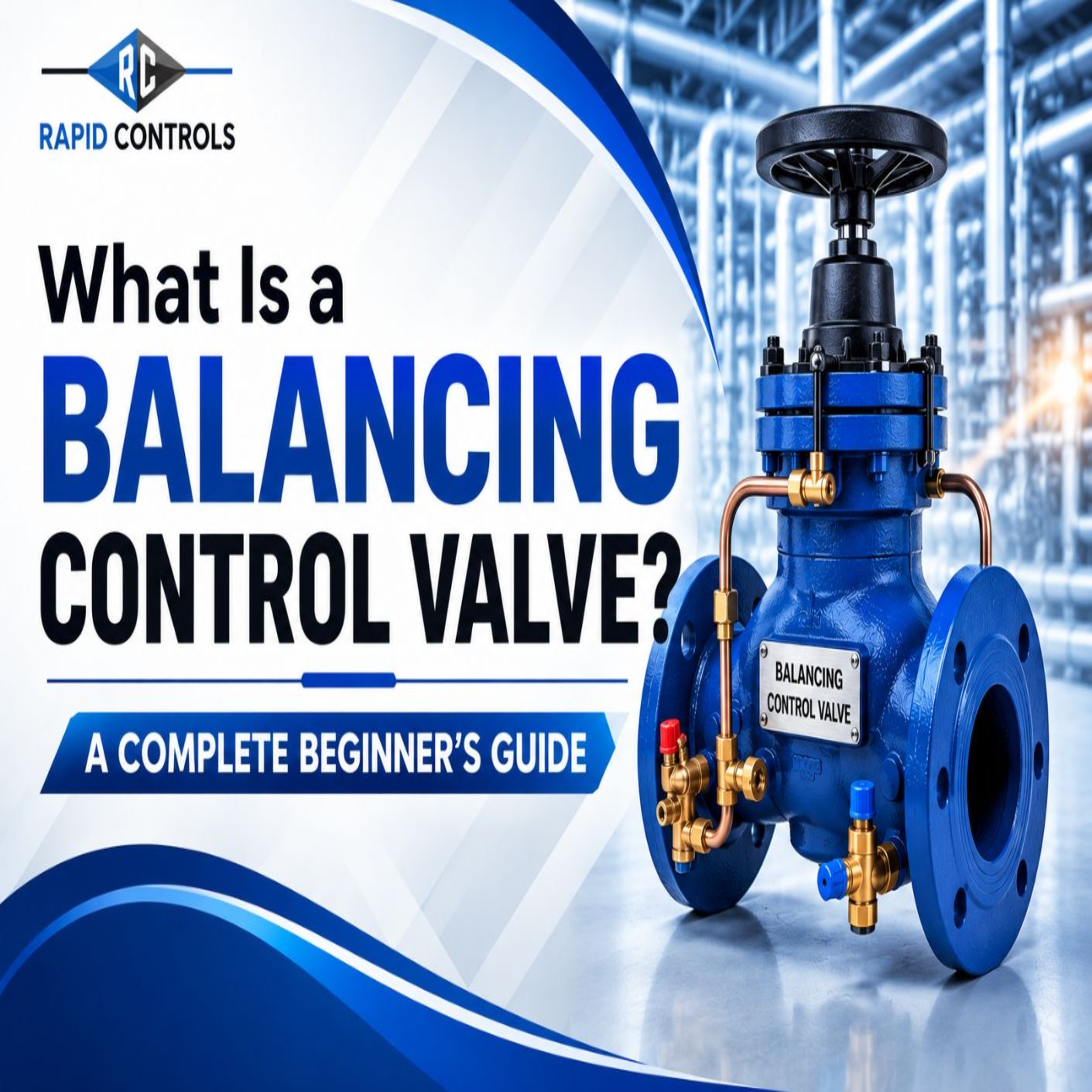
At its core, a balancing control valve is a device used to regulate and distribute flow evenly across a piping system. Think of a building with multiple floors, each connected to the same heating or cooling loop. Without proper balancing, the areas closer to the pump or boiler tend to get more flow, while the farther zones are left starved for water or air. This leads to uneven temperatures, wasted energy, and constant complaints from occupants.
A balancing control valve solves this problem by controlling the resistance in each branch of the system, ensuring that flow is distributed according to design requirements rather than the path of least resistance. In simple terms, it keeps every part of the system getting exactly what it needs — no more, no less.
Why Balancing Matters in the First Place
Every piping network is designed with specific flow rates in mind for each branch, room, or zone. When a system isn’t balanced correctly, several problems can show up:
- Some areas overheat or overcool while others struggle to reach setpoint
- Pumps have to work harder than necessary, increasing energy consumption
- Equipment experiences premature wear due to inconsistent operating conditions
- Occupant comfort suffers, leading to frequent service calls
A properly selected and installed balancing control valve addresses all of these issues at the source, rather than forcing technicians to constantly “chase” temperature complaints after the fact.
Types of Balancing Valves
Not all balancing valves work the same way, and understanding the differences is important when selecting the right one for your application.
Manual Balancing Valves require a technician to physically measure flow and adjust the valve setting during commissioning. They’re cost-effective but need periodic rechecking, especially if system demands change over time.
Automatic Balancing Valves use internal mechanisms to maintain a constant flow rate regardless of pressure fluctuations elsewhere in the system. These are increasingly popular in modern buildings because they reduce the need for manual recalibration and adapt automatically as conditions change.
There’s also a distinction between static and dynamic balancing valves, which we cover in more detail in our related post on static vs. dynamic balancing valves — worth a read if you’re deciding between the two for a specific project.
At Rapid Controls, our own balancing range includes Manual Balancing Valves for standard commissioning needs and Pressure Independent Balancing Control Valves (PIBCV) for systems that need automatic flow regulation regardless of pressure swings elsewhere in the network.
Where Are Balancing Control Valves Used?
Balancing control valves show up in a wide range of applications, including:
- Commercial and residential HVAC systems
- Hydronic heating and chilled water loops
- Industrial process cooling systems
- District heating and cooling networks
- Multi-zone building automation systems
Any system where fluid needs to be distributed evenly across multiple branches is a good candidate for a properly sized balancing valve.
How to Choose the Right Balancing Control Valve
Selecting the correct valve isn’t just about picking something off a catalog page. A few factors should guide your decision:
- System flow requirements – Know the design flow rate for each branch before selecting a valve.
- Pressure differential – Understand the pressure conditions the valve will operate under.
- Manual vs. automatic operation – Decide based on how often your system conditions change and how much maintenance access you have.
- Material compatibility – Ensure the valve body and internals are suited to your fluid type and temperature range.
If you’re unsure where to start, it often helps to consult with a specialist who can review your system drawings and recommend the right valve type and size, rather than guessing based on pipe diameter alone. A Test Point fitted alongside the balancing valve also makes it far easier to verify actual flow during commissioning instead of relying on assumptions.
Common Installation Mistakes to Avoid
Even a high-quality balancing control valve won’t perform well if it’s installed incorrectly. Some of the most frequent mistakes include installing the valve too close to elbows or fittings (which disrupts flow readings), skipping the commissioning and flow verification step, and failing to label or document valve settings for future reference. Taking the time to install and commission the valve correctly the first time saves significant troubleshooting effort later.
The Role of Balancing Valves in Energy Efficiency
Beyond comfort and equipment longevity, balancing control valves play a direct role in reducing energy costs. When a system is balanced properly, pumps don’t have to overcompensate for poorly distributed flow, which reduces electricity consumption and strain on mechanical components. For facilities looking to cut operating costs and meet sustainability targets, proper valve balancing is one of the most cost-effective upgrades available.
How Rapid Controls Can Help
Rapid Controls Pvt. Ltd. has been manufacturing valves in India since 1973, and over more than four decades we’ve built our reputation on solving exactly this kind of problem for the HVAC-R, plumbing, and fire protection industries. Founded by Mr. Santokh Singh Riyat, our New Delhi-based facility produces a full range of ball valves, butterfly valves, motorized valves, and flow control instruments — including a dedicated line of balancing solutions.
Our balancing range covers everything from Manual Balancing Valves for straightforward commissioning to Pressure Independent Balancing Control Valves (PIBCV) for systems that demand automatic, self-adjusting flow regulation. We also manufacture Test Points so flow rates can be verified accurately during commissioning, rather than estimated.
Whether you’re designing a new hydronic system, retrofitting an aging building, or troubleshooting persistent flow complaints, our engineering team can help you evaluate the application and recommend the right balancing control valve for the job — with OEM and customization support available where standard products don’t fit. You can browse our complete range on the Balancing product category or get in touch directly through our contact page.
Conclusion
A balancing control valve might seem like a small component in the grand scheme of a piping system, but its impact on comfort, efficiency, and equipment life is significant. Understanding the difference between manual and automatic balancing valves, knowing where they’re needed, and avoiding common installation pitfalls can make the difference between a system that runs smoothly and one that constantly needs attention.
If you’re planning a new installation or trying to solve an existing balancing issue, reach out to the team at Rapid Controls. With over 49 years of valve manufacturing experience behind us, we’re here to help you find the right balancing control valve for your system — backed by real technical know-how rather than guesswork.
Frequently Asked Questions
- What is the difference between a balancing valve and a control valve? A balancing valve is set to maintain a fixed or self-regulating flow rate across a branch of the system, mainly to ensure even distribution. A control valve, on the other hand, actively modulates flow in response to a signal (like temperature or pressure) to meet changing demand. Many systems use both together — the balancing valve sets the baseline, and the control valve handles real-time adjustments.
- Do I need a balancing valve on every branch of my system? In most multi-zone or multi-floor hydronic systems, yes. Any branch that shares a common pump or header with other branches is a candidate for balancing, since without it, flow will naturally favor the path of least resistance rather than the path your design intended.
- How often should a balancing valve be checked or recalibrated? Manual balancing valves should be verified during commissioning and rechecked whenever the system undergoes major changes — like added zones, pump replacements, or piping modifications. Automatic or pressure-independent valves such as a PIBCV require far less recalibration since they self-adjust to pressure changes.
- Can a balancing control valve help lower energy bills? Yes. When flow is distributed correctly, pumps don’t have to work harder to compensate for imbalanced branches, which directly reduces electricity consumption. It’s one of the more cost-effective upgrades for buildings looking to cut HVAC operating costs.
- What’s the difference between manual and pressure independent balancing valves? A manual balancing valve is set once by a technician using flow measurement tools and stays fixed until manually adjusted again. A pressure independent balancing control valve automatically maintains the set flow rate even as system pressure fluctuates, making it better suited to dynamic systems with variable demand.
- Who should I contact for help selecting the right balancing valve? It’s best to work with a manufacturer or specialist who can review your system’s flow requirements and pressure conditions before recommending a product. The team at Rapid Controls can help evaluate your application and suggest the right valve from our balancing range.