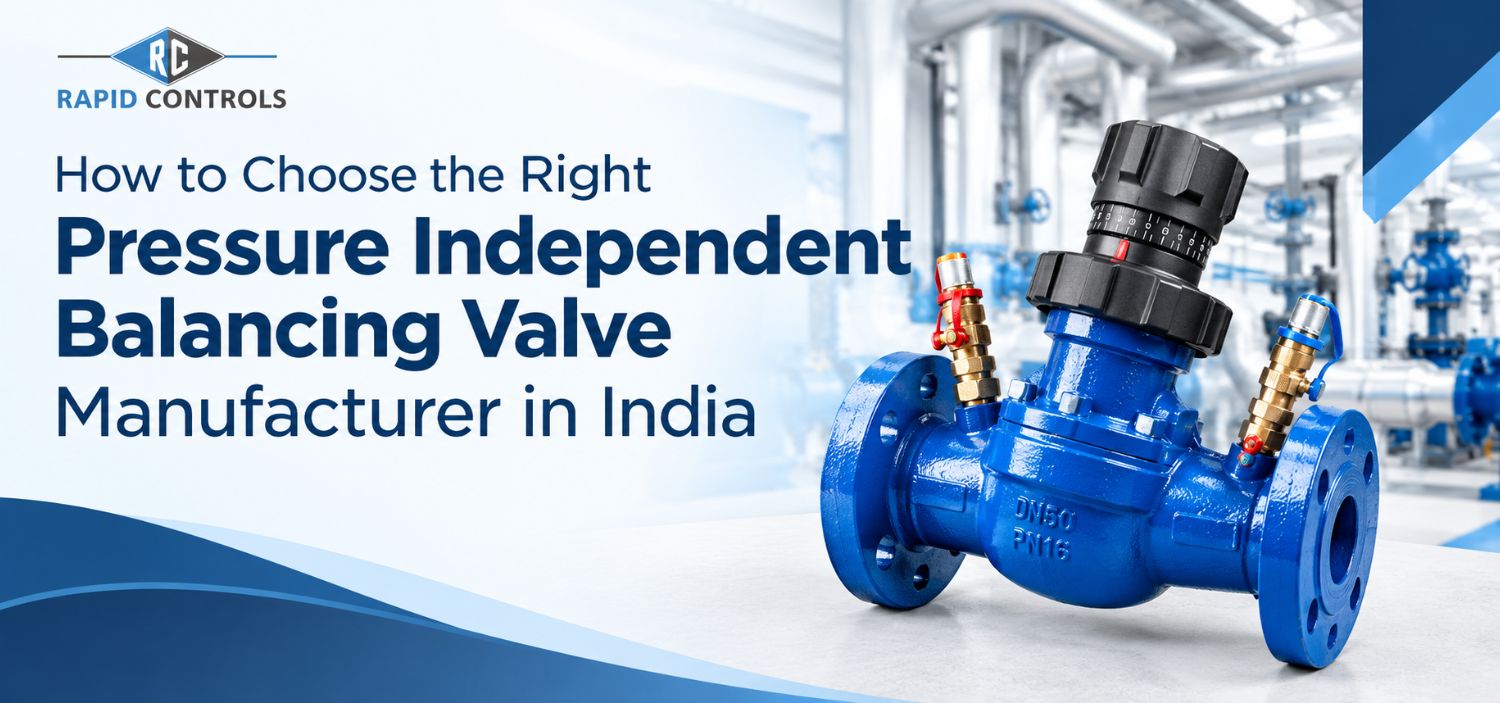
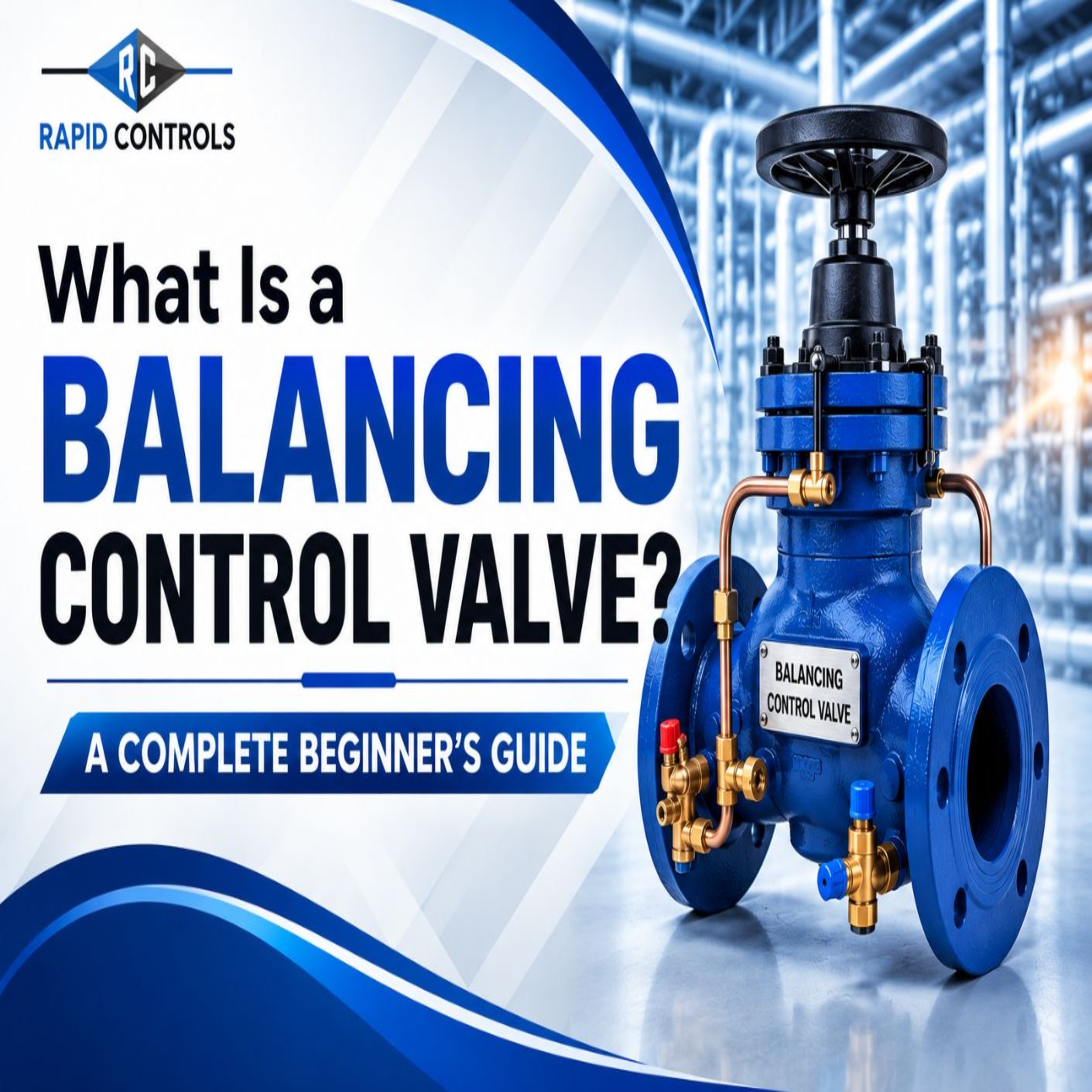
Modern HVAC systems demand precision, efficiency, and energy savings. One component that plays a crucial role in achieving all three is the Pressure Independent Balancing and Control Valve (PIBCV). These valves combine flow control and pressure regulation in a single device, making them ideal for modern heating and cooling systems.
But selecting the right PIBCV requires understanding system requirements, valve specifications, and performance factors. Let’s break it down.
What Is a PIBCV?
A Pressure Independent Balancing and Control Valve (PIBCV) automatically adjusts to maintain the desired flow rate regardless of pressure fluctuations in the system. Unlike traditional balancing valves, it eliminates the need for manual adjustment while optimizing system efficiency.
Key Benefits of PIBCVs:
- Maintains constant flow under varying pressure conditions
- Reduces pump energy consumption
- Enhances temperature control and comfort
- Minimizes maintenance needs
- Ensures longer system lifespan
Factors to Consider When Choosing a PIBCV
1. Flow Rate Requirements
Determine the design flow rate for each branch of your HVAC system. The PIBCV should match this flow to ensure accurate balancing and efficient performance.
2. Pressure Range
Check the operating pressure range of your system. PIBCVs are designed to maintain flow within specific pressure limits, so the chosen valve should cover the system’s minimum and maximum pressures.
3. Valve Size
The right valve size is crucial for proper operation. A valve that’s too small may restrict flow, while an oversized valve may reduce accuracy. Always refer to manufacturer sizing charts.
4. Temperature Range
Ensure the valve is compatible with the temperature of the heating or chilled water in your system. Some valves are designed for high-temperature hot water, while others are optimized for chilled water applications.
5. Actuation & Automation
PIBCVs can be equipped with electric or pneumatic actuators for integration into building management systems (BMS). Automated control improves energy efficiency and simplifies system operation.
6. Material Compatibility
Select materials suitable for your system’s water type to prevent corrosion and ensure long-term durability. Stainless steel or brass bodies with high-quality seals are common choices.
Advantages of Using the Right PIBCV
- Energy Efficiency: Reduces pump workload by maintaining optimal flow.
- Consistent Comfort: Delivers precise heating or cooling to each zone.
- Reduced Maintenance: Eliminates manual adjustment and balancing.
- Cost Savings: Optimizes energy usage and reduces operational costs.
Conclusion
Choosing the right PIBCV is essential for modern HVAC systems. By considering flow rate, pressure range, valve size, temperature compatibility, and automation needs, you can select a valve that ensures consistent comfort, energy savings, and reliable performance.
For building managers, engineers, or contractors, the right PIBCV not only simplifies system operation but also helps maximize efficiency and reduce long-term costs.