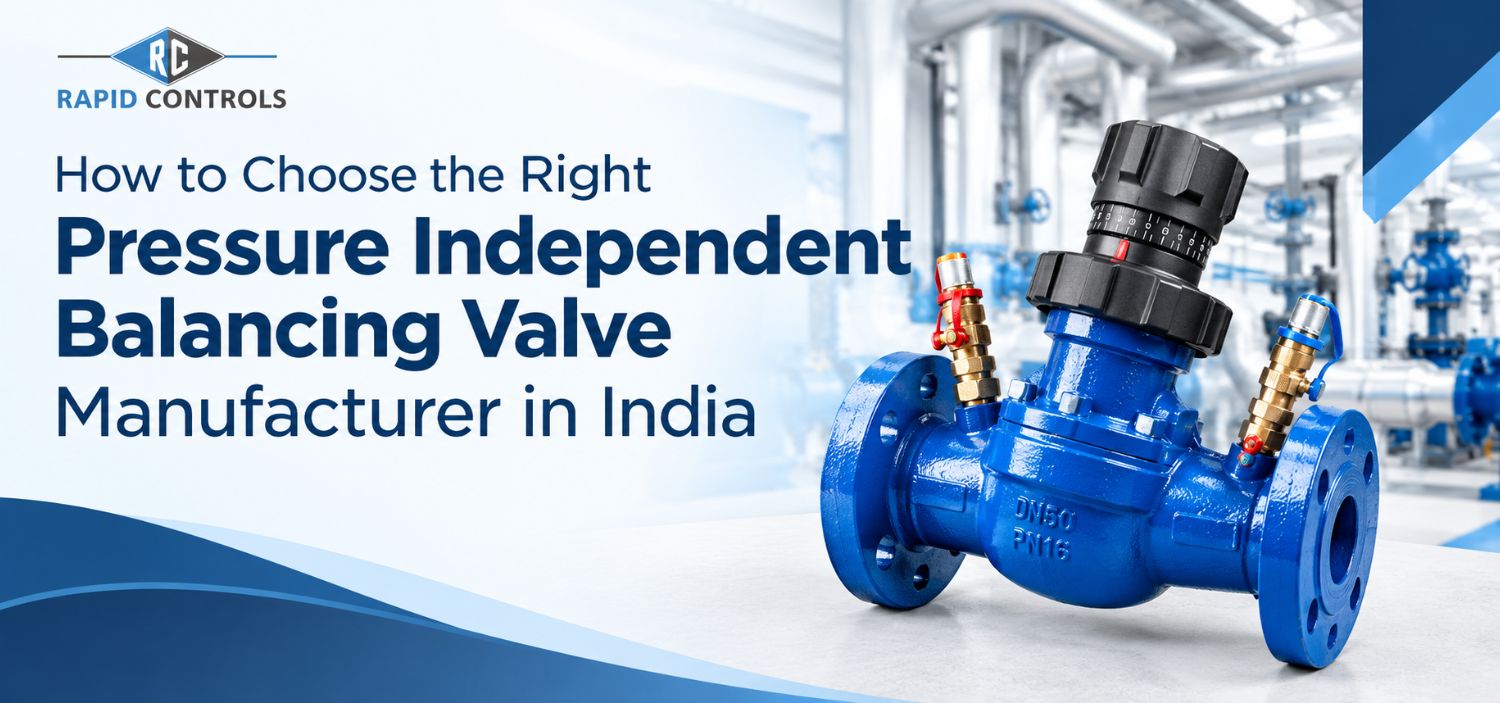
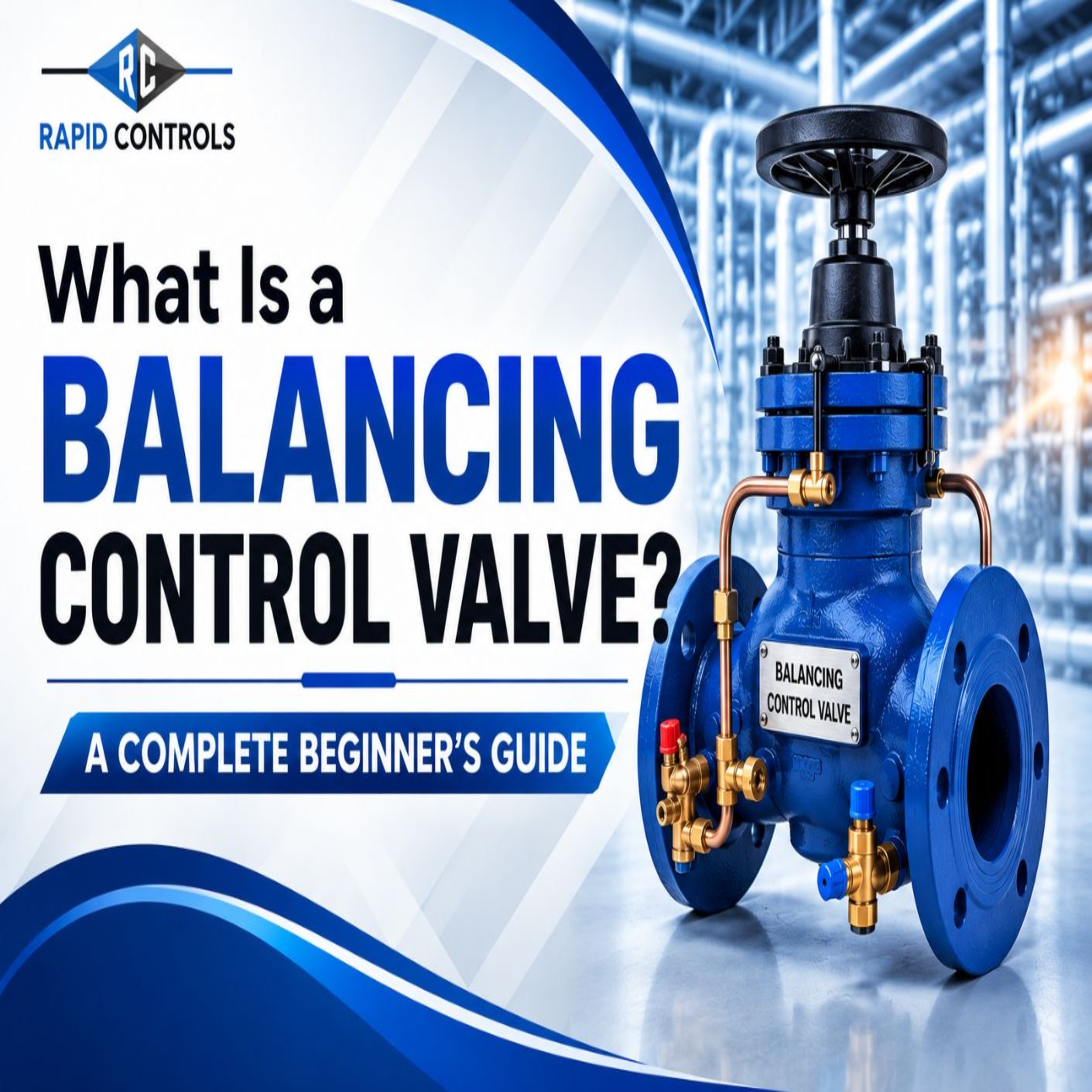
In HVAC systems, balancing valves are crucial for controlling water flow and maintaining system efficiency. They ensure every part of the system gets the right amount of heating or cooling. But when it comes to selecting the right valve, you’ll often come across two main types: static balancing valves and dynamic balancing valves.
So, what’s the difference between them, and which one should you choose? Let’s break it down in simple terms.
What Are Static Balancing Valves?
Static balancing valves are manually adjusted valves that control water flow to match the system design. They are typically set during installation and remain fixed.
- How They Work: The installer measures the flow rate and adjusts the valve until it matches the design requirement.
- Where They’re Used: Best for smaller systems with stable load conditions.
- Pros:
- Cost-effective
- Simple to install and operate
- Cons:
- Require manual adjustment
Less accurate if system loads change frequently
What Are Dynamic Balancing Valves?
Dynamic balancing valves, also known as automatic balancing valves, adjust themselves based on system pressure changes. This means they can maintain a stable flow rate automatically without the need for manual fine-tuning.
- How They Work: Built-in mechanisms regulate the flow to remain constant, even if demand or pressure changes.
- Where They’re Used: Ideal for large or complex HVAC systems with variable loads.
- Pros:
- Self-adjusting for accuracy
- Improve energy efficiency
- Reduce maintenance needs
- Cons:
- Higher initial cost
Require more technical expertise during installation
| Feature | Static Balancing Valves | Dynamic Balancing Valves |
|---|---|---|
| Adjustment | Manual (fixed setting) | Automatic (self-adjusting) |
| Accuracy | Limited in variable conditions | High accuracy in all conditions |
| Best For | Small, stable systems | Large, complex, or variable-load systems |
| Cost | Lower upfront cost | Higher upfront, but saves long-term |
| Maintenance | Requires periodic checks | Minimal maintenance |
Which One Should You Choose?
- Choose Static Balancing Valves if your system is small, simple, and doesn’t experience frequent changes in load.
- Choose Dynamic Balancing Valves if your system is large, modern, and energy efficiency is a priority.
Conclusion
Both static and dynamic balancing valves serve the same purpose ensuring proper water distribution in HVAC systems but they work differently. Static valves are more suitable for smaller, steady systems, while dynamic valves are the go-to choice for larger, variable-load systems where performance and energy savings matter most.
By understanding the key differences, you can select the right balancing valve that best fits your system’s needs and long-term goals.