HVAC (Heating, Ventilation, and Air Conditioning) systems, energy efficiency and comfort are top priorities. One of the key components that helps achieve this is the balancing valve. Though small in size, balancing valves play a big role in ensuring that the right amount of water flows through every part of the system.
What Is a Balancing Valve?
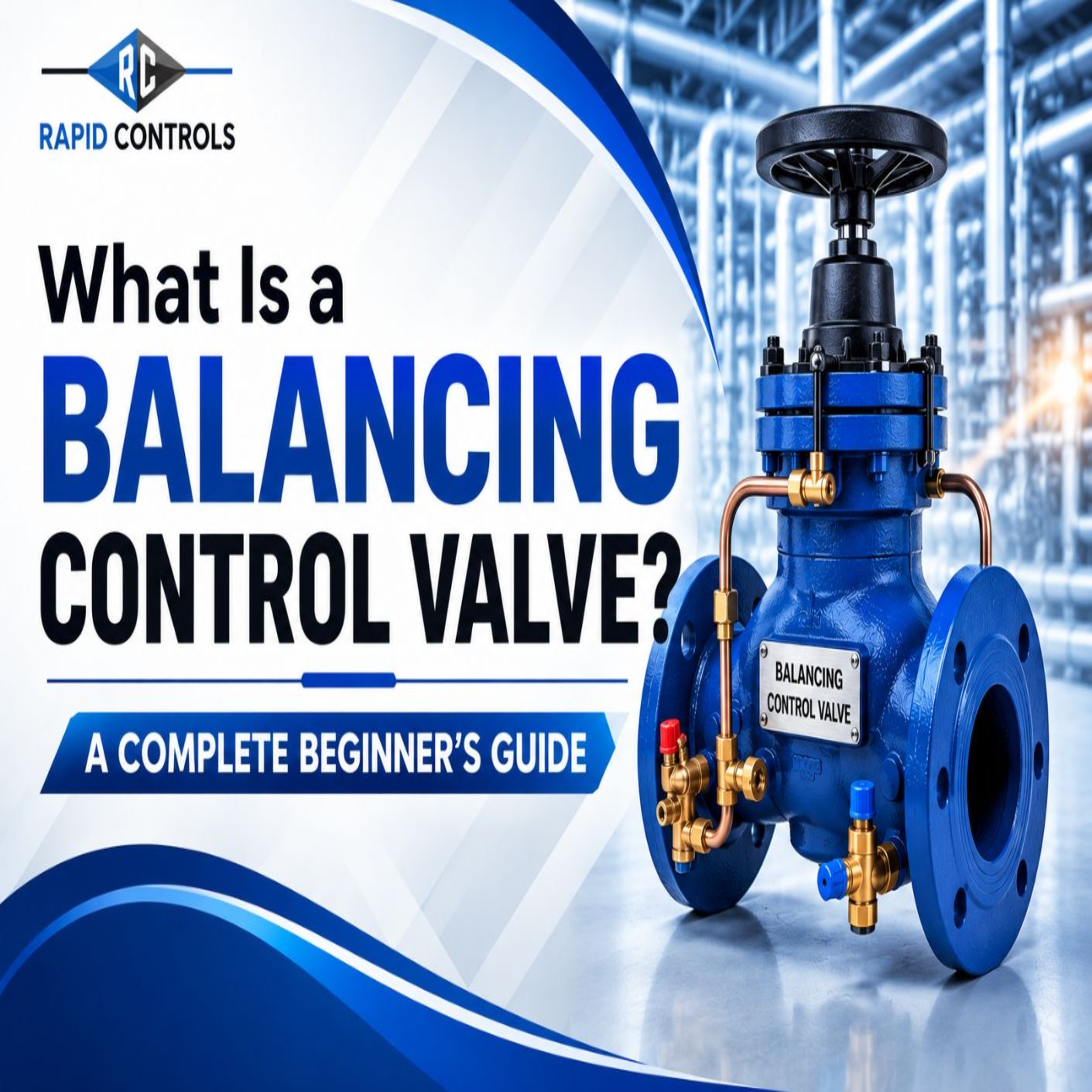
A balancing valve is a special type of valve used in HVAC systems to regulate and balance water flow in heating and cooling circuits. Without balancing, some areas may receive too much chilled or hot water, while others may not get enough, leading to uneven temperatures and wasted energy.
Why Are Balancing Valves Needed?
- Even Distribution of Water: Ensures every coil, radiator, or fan coil unit (FCU) receives the correct flow.
- Energy Efficiency: Prevents pumps from overworking, reducing electricity consumption.
- Comfort: Maintains consistent room temperatures across the building.
- System Protection: Reduces wear and tear on pumps, chillers, and boilers.
How Do Balancing Valves Work?
Balancing valves work by restricting or allowing water flow based on system demand. Here’s how:
- Flow Control: When too much water flows into one branch, the valve restricts the flow to bring it to the correct level.
- Pressure Regulation: Some valves also stabilize pressure differences in large systems.
- Pre-Set Adjustments: Many balancing valves can be pre-set during installation to match design flow requirements.
- Manual vs. Automatic:
- Manual balancing valves require on-site adjustment and measurement.
- Automatic balancing valves adjust themselves based on system conditions, offering more accuracy.
Types of Balancing Valves
- Static Balancing Valves: Manually set to control flow in a fixed position.
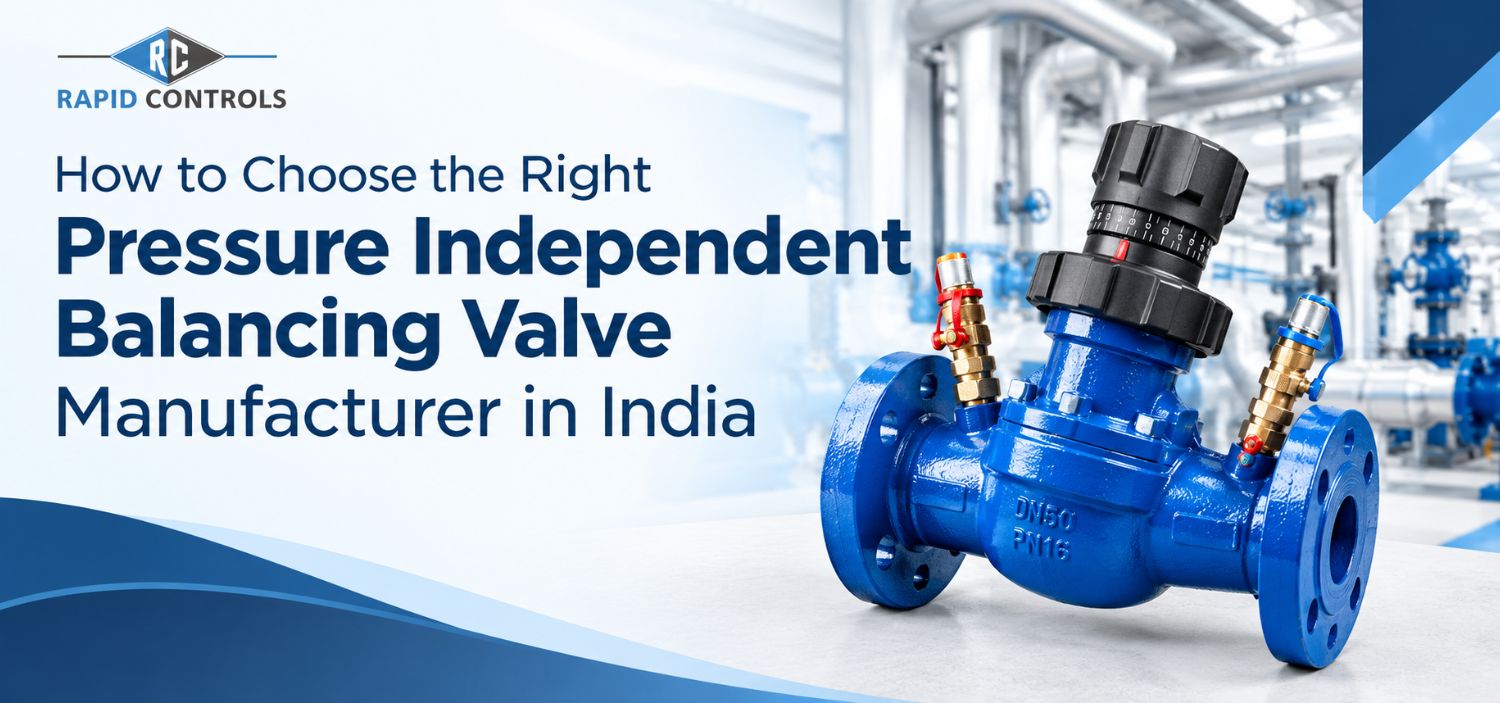
- Dynamic (Automatic) Balancing Valves: Adjust flow automatically to changing pressure conditions.
Benefits of Using Balancing Valves in HVAC
- Optimized system performance
- Reduced energy costs
- Lower operational issues and complaints
- Longer equipment lifespan
Conclusion
Balancing valves may not be the most visible components in an HVAC system, but they are vital for efficiency, comfort, and reliability. By ensuring every part of the system receives the correct water flow, they make heating and cooling systems more effective and sustainable.
If you’re working on an HVAC project, choosing the right type of balancing valve manual or automatic can make a big difference in performance and energy savings.