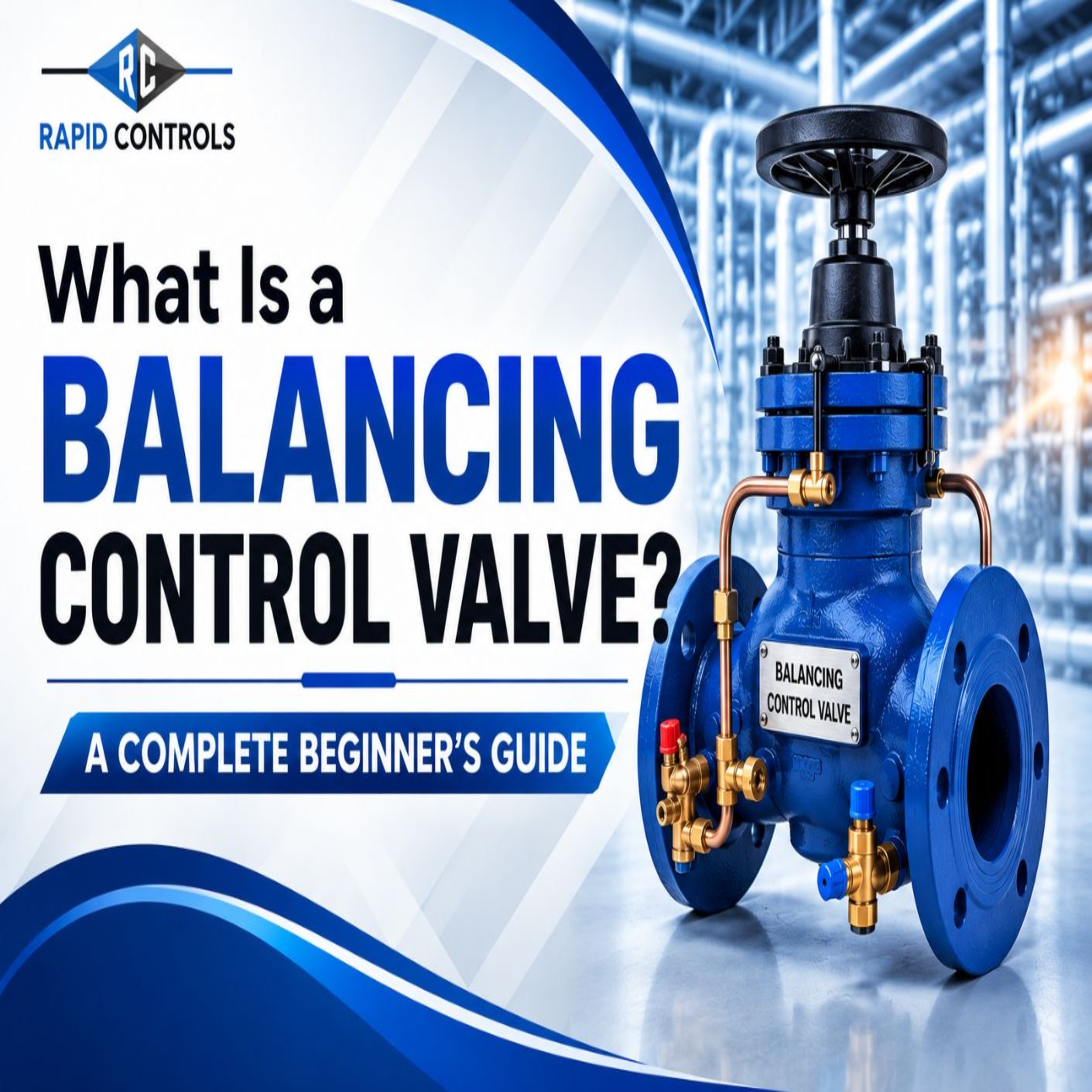
When it comes to HVAC and water distribution systems, balancing valves are one of the most important components. They ensure the correct amount of water flows through every branch of the system, preventing some areas from overheating or overcooling while others stay under-supplied. But with different options available, how do you choose the right balancing valve for your system? Let’s break it down step by step.
What Is a Balancing Valve?
A balancing valve regulates water flow in heating and cooling systems. Its job is to keep the system stable, efficient, and comfortable by distributing water evenly to every terminal unit, such as radiators, coils, or fan coil units (FCUs).
Types of Balancing Valves
- Manual Balancing Valves
- Require on-site adjustment using flow measurements.
- Best suited for smaller systems or where conditions don’t change often.
- Automatic (Dynamic) Balancing Valves
- Adjust flow automatically as pressure changes in the system.
- Ideal for large, complex systems where loads vary throughout the day.
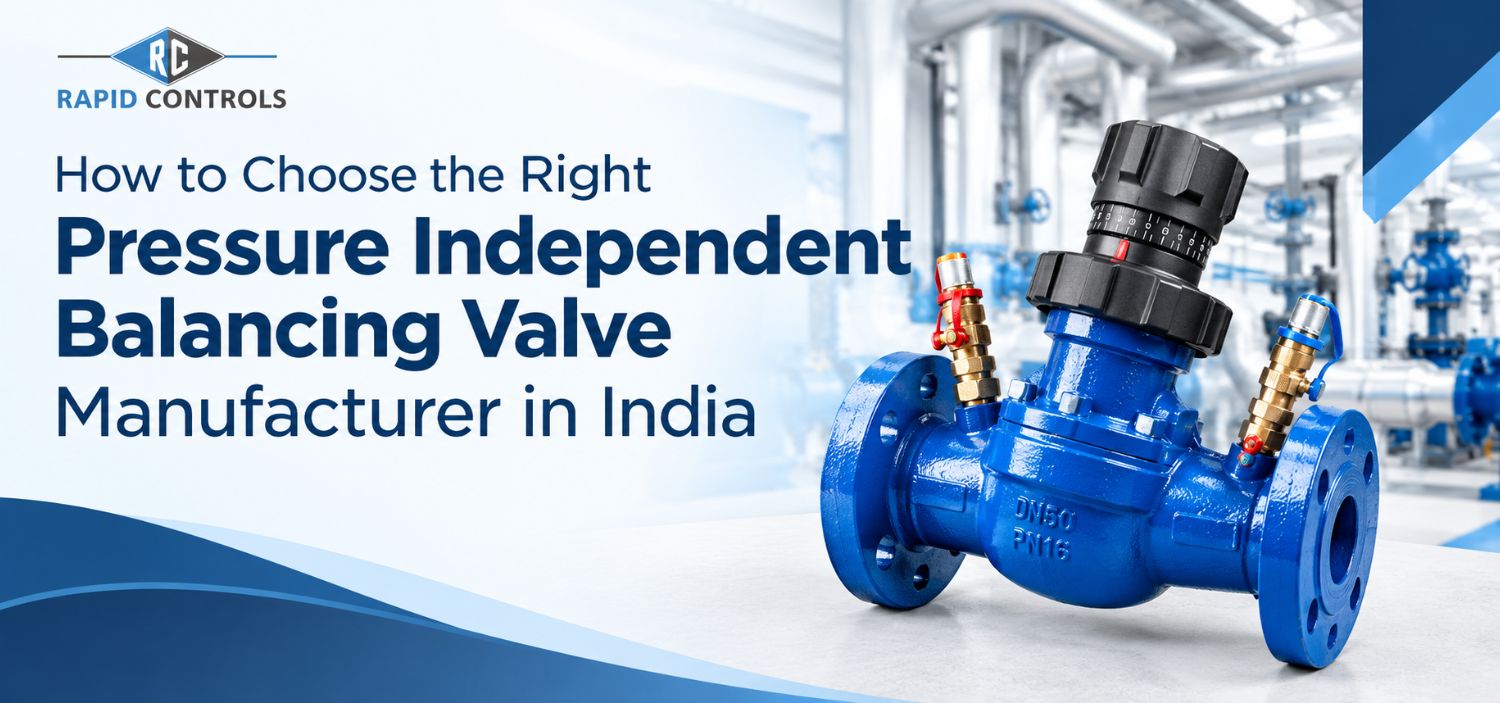
- Pressure Independent Balancing Valves (PIBCV)
- Combine flow control and pressure regulation in one unit.
- Provide high accuracy and efficiency in modern HVAC systems.
Factors to Consider When Choosing a Balancing Valve
- System Size and Complexity
- Small systems may do well with manual valves.
- Large or variable-load systems often require automatic or pressure-independent valves.
- Flow Requirements
- Check the design flow rate for each branch and select a valve that matches these needs.
- Energy Efficiency Goals
- Automatic and PIBCV valves save energy by reducing pump workload and improving system balance.
- Budget and Maintenance
- Manual valves are cost-effective but need regular checking.
- Automatic valves cost more upfront but save money in the long run through reduced maintenance and energy savings.
- Future Scalability
- For expanding systems or commercial projects, choosing advanced valves like PIBCV ensures long-term reliability.
Benefits of Choosing the Right Balancing Valve
- Consistent indoor comfort
- Improved energy efficiency
- Reduced system noise and wear
- Lower utility bills
- Longer lifespan for pumps, chillers, and boilers
Conclusion
Selecting the right balancing valve is not just about cost it’s about system performance, comfort, and energy savings. For smaller, stable systems, manual balancing valves may be sufficient. But for modern, large scale HVAC or water systems, automatic and pressure-independent balancing valves are the smarter choice.
By matching your valve choice to your system’s size, flow needs, and efficiency goals, you’ll ensure reliable performance for years to come.