A trunnion ball valve is an advanced flow control device designed to handle high-pressure and high-temperature applications with superior efficiency and reliability. Unlike floating ball valves, trunnion-mounted ball valves incorporate additional mechanical support to minimize ball movement, reduce operating torque, and ensure long-lasting performance. Their ability to maintain a leak-tight seal under extreme conditions makes them indispensable in oil & gas, petrochemical, power generation, and industrial fluid control.
At rapid controls pvt ltd, we specialize in manufacturing premium-quality trunnion ball valves engineered for maximum durability and operational excellence. With over 4 decades of experience, we provide industrial solutions that enhance efficiency, improve safety, and reduce maintenance costs.
What Is A Trunnion Ball Valve?
A trunnion ball valve is a type of quarter-turn valve designed with a mechanically anchored ball that ensures precise and stable operation, even under extreme pressure. Unlike floating ball valves, where the ball is free to move under pressure, trunnion valves incorporate a fixed ball held in place by trunnions (supporting shafts) at the top and bottom. This design significantly reduces operating torque, making it easier to actuate the valve manually or via automation.
These valves are widely recognized for their double-block and bleed (dbb) functionality, allowing for complete isolation of fluid flow. This makes them ideal for applications where zero leakage and high safety standards are required.
Key Components Of A Trunnion Ball Valve
- Ball – the core component responsible for fluid control, designed with a bore to allow or restrict flow.
- Trunnions – upper and lower support shafts that anchor the ball in place, reducing excess movement.
- Seat rings – spring-loaded or pressure-assisted components that ensure a tight seal against the ball.
- Stem – the rotating shaft that allows actuation (manual, pneumatic, or motorized).
- Body & end connections – the housing structure, available in two-piece, three-piece, or fully welded designs.
How Do Trunnion Ball Valves Work?
The operation of a trunnion ball valve is simple yet highly effective. The valve consists of a stationary, trunnion-mounted ball inside a housing. When the actuator (manual lever, pneumatic actuator, or motorized unit) rotates the stem by 90 degrees, the ball aligns with the pipeline, allowing fluid to pass through.
When rotated back, the ball seals against the seat rings, blocking the flow completely. Spring-loaded or hydraulic-assisted seat rings help maintain a consistent seal, even under fluctuating pressure conditions.
In double-block and bleed (dbb) configurations, trunnion ball valves allow for bleeding of trapped fluid between the valve seats, ensuring full pipeline isolation and enhanced safety.
Benefits Of Trunnion Ball Valves
1. Superior Sealing & Zero Leakage
Trunnion ball valves provide exceptional sealing due to their spring-loaded seat mechanism, which maintains a tight fit against the ball, ensuring bubble-tight shutoff. This makes them ideal for critical applications where even minimal leakage can cause operational failures.
2. Low Torque And Smooth Operation
The trunnion-mounted ball design significantly reduces friction, making it easier to operate the valve. Compared to floating ball valves, trunnion models require less force to turn, which is especially beneficial in large-diameter valves and automated systems.
3. High Pressure & Temperature Resistance
Designed for high-pressure systems (up to ansi class 2500 or higher), trunnion ball valves can withstand extreme temperature fluctuations, making them suitable for oil & gas pipelines, power plants, and chemical processing units.
4. Double-Block And Bleed (DBB) Capability
Many trunnion ball valves feature dbb functionality, allowing for complete isolation of fluid sections. This is crucial for pipeline maintenance, safety operations, and high-integrity pressure protection systems (hipps).
5. Fire-Safe And Anti-Static Design
Most industrial-grade trunnion ball valves come with fire-safe features, ensuring continued operation even under extreme heat conditions. Anti-static devices help prevent electrostatic discharge, making them ideal for handling flammable liquids and gases.
6. Extended Service Life And Low Maintenance
Due to their robust construction and low wear-and-tear design, trunnion ball valves offer a longer lifespan than standard ball valves. Their split-body or modular design allows for easy maintenance, reducing downtime and operational costs.
Common Applications Of Trunnion Ball Valves
- Oil & gas pipelines – used in high-pressure upstream, midstream, and downstream operations.
- Petrochemical & chemical processing – handles aggressive chemicals and volatile fluids.
- Power plants – regulates steam and high-temperature fluids.
- Water & wastewater treatment – ensures precise flow control in large-scale filtration and treatment plants.
- Refineries & lng terminals – provides safe and efficient operation in gas and fuel processing units.
Choosing The Right Trunnion Ball Valve
When selecting a trunnion ball valve, consider the following factors:
Material Selection
- Stainless steel (ss 304, ss 316): ideal for corrosive and high-temperature environments.
- Carbon steel: suitable for high-pressure applications in oil & gas.
- Alloy steel & exotic alloys (duplex, hastelloy, monel): used for highly aggressive chemicals.
Pressure & Temperature Ratings
Ensure compatibility with ansi, api, and iso standards for pressure and temperature limits.
End Connections
Flanged, welded, or threaded end connections must match the pipeline requirements.
Actuation Type
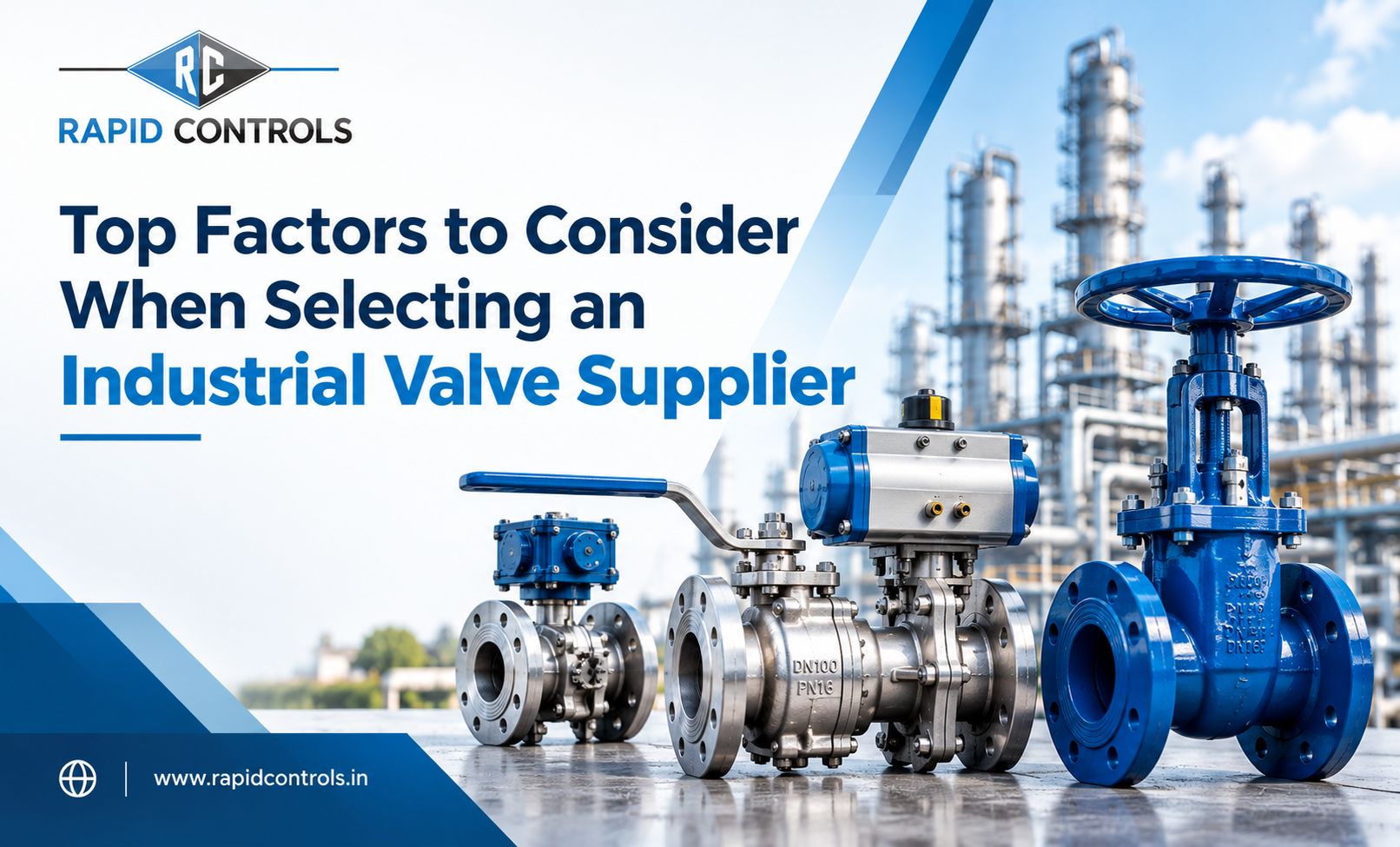
- Manual (lever or gear operated)
- Pneumatic actuation (for remote control & automation)
- Electric actuation (motorized for industrial automation)
Trunnion ball valves are an essential component in high-pressure and high-temperature flow control systems, offering exceptional sealing, durability, and operational efficiency. Their mechanically anchored ball design, low torque operation, and double-block and bleed (dbb) capability make them a preferred choice for industries such as oil & gas, petrochemicals, power plants, and water treatment.
With fire-safe and anti-static features, trunnion ball valves ensure maximum safety and reliability, even in demanding environments. Selecting the right valve based on material, pressure rating, and actuation type is crucial for optimal performance.